
Sixth-Grade HGM Social Studies Connects the Past to the Present
Sixth graders in HGM embark on an exciting journey through time, exploring how human societies grew and transformed—from early humans to the rise of great civilizations and empires. Along the way, they thoughtfully examine how geography, religion, social structures, systems of government, and technological innovations shaped the world and continue to influence us today.
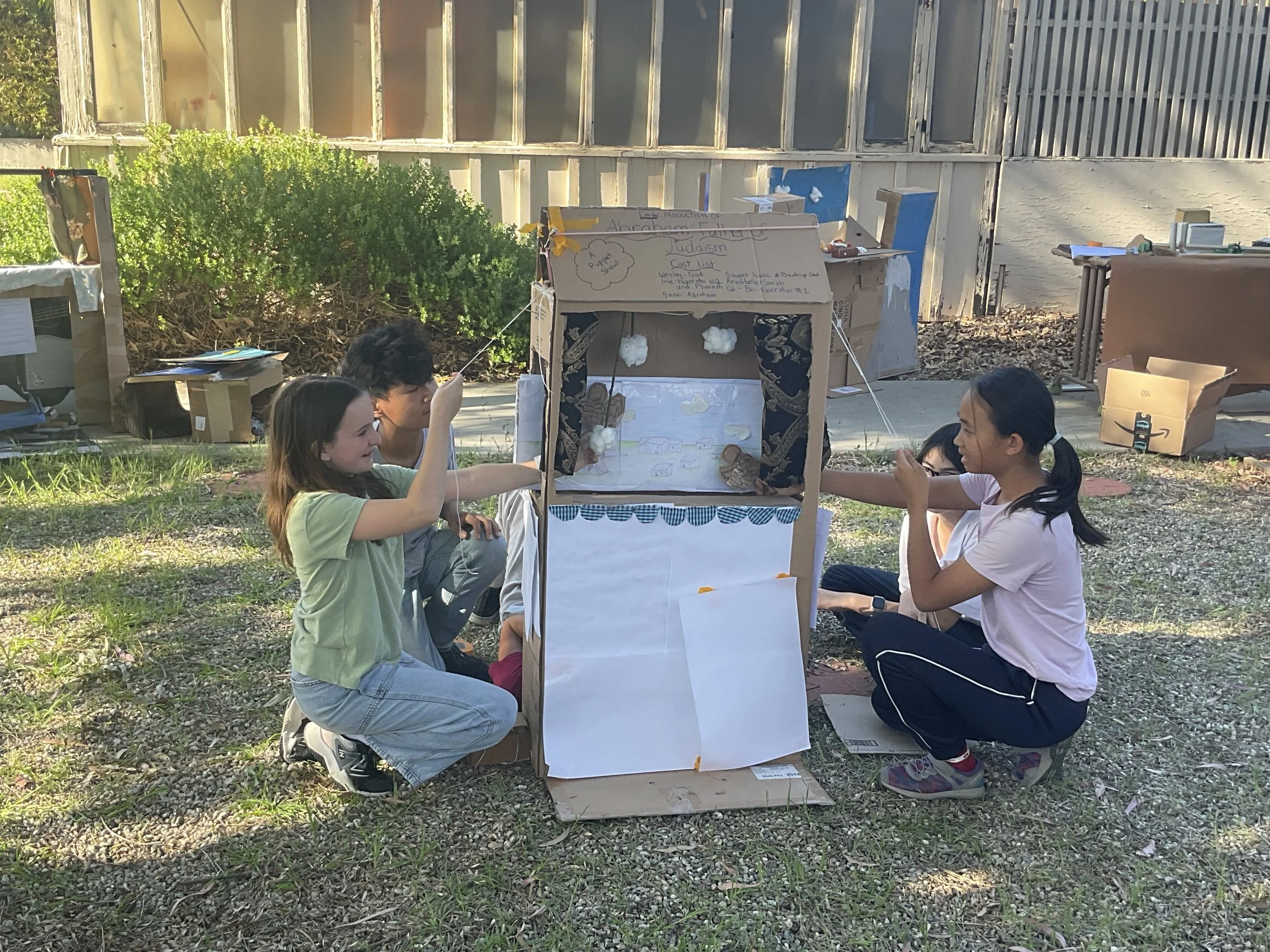
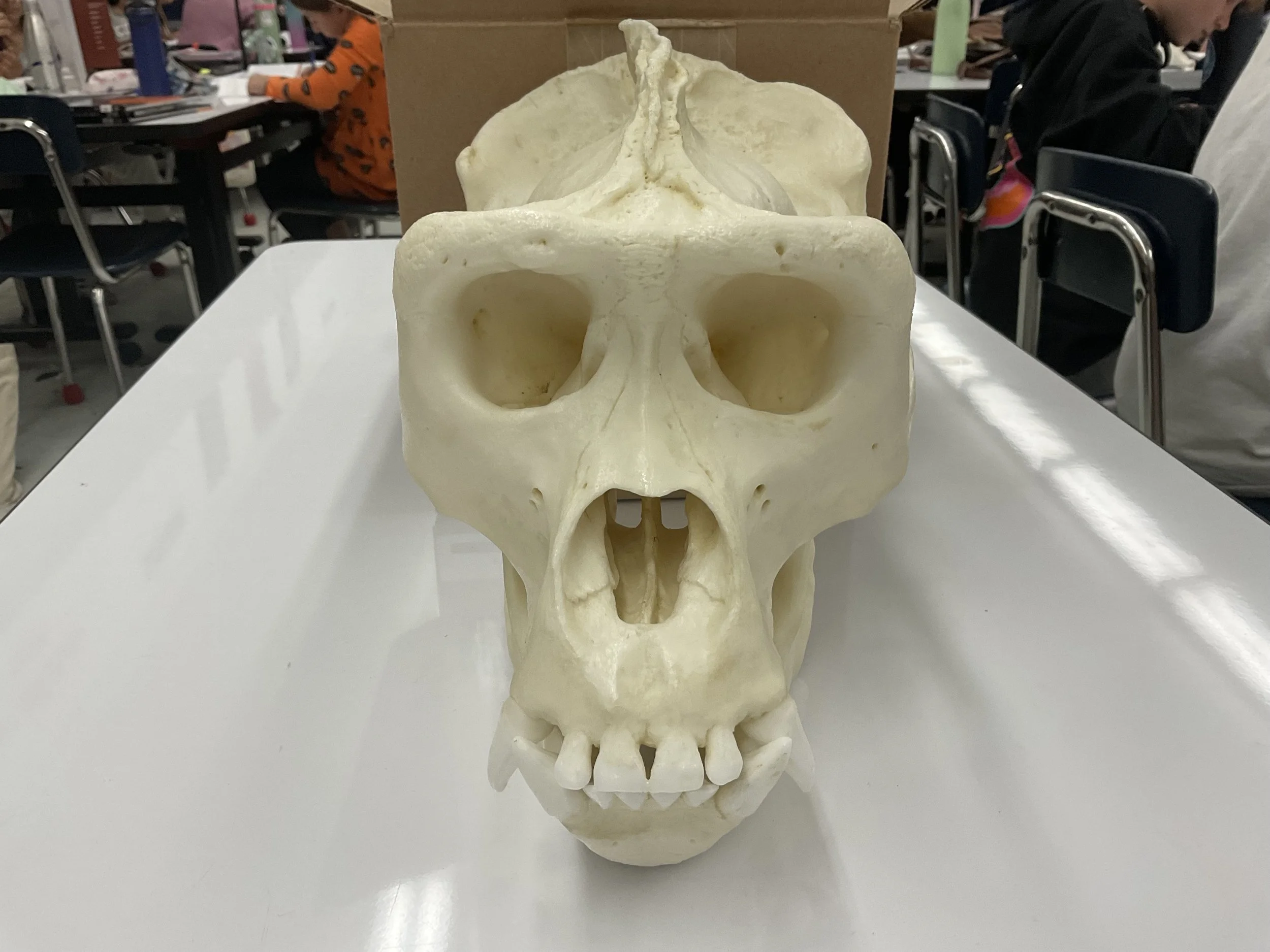
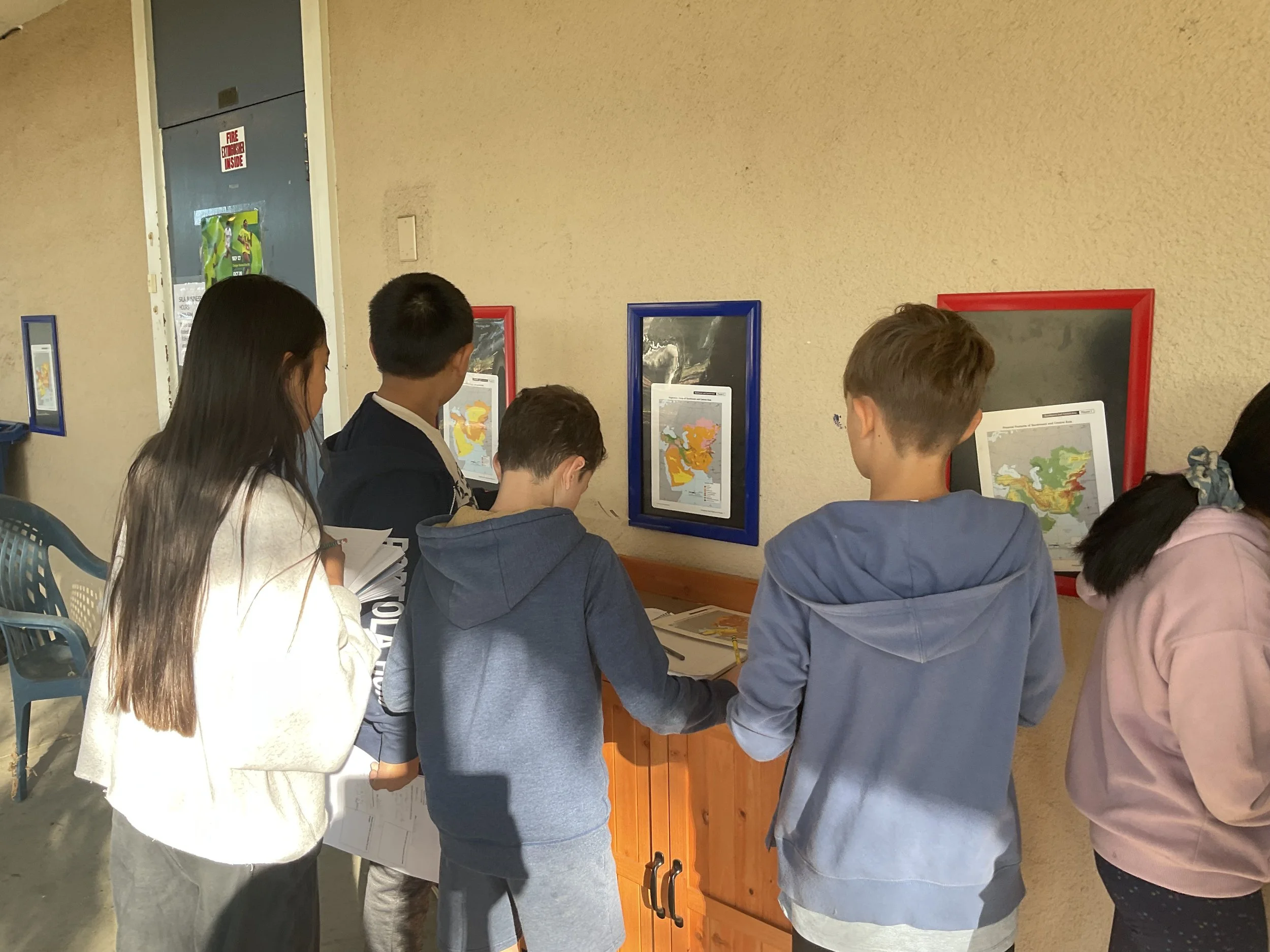
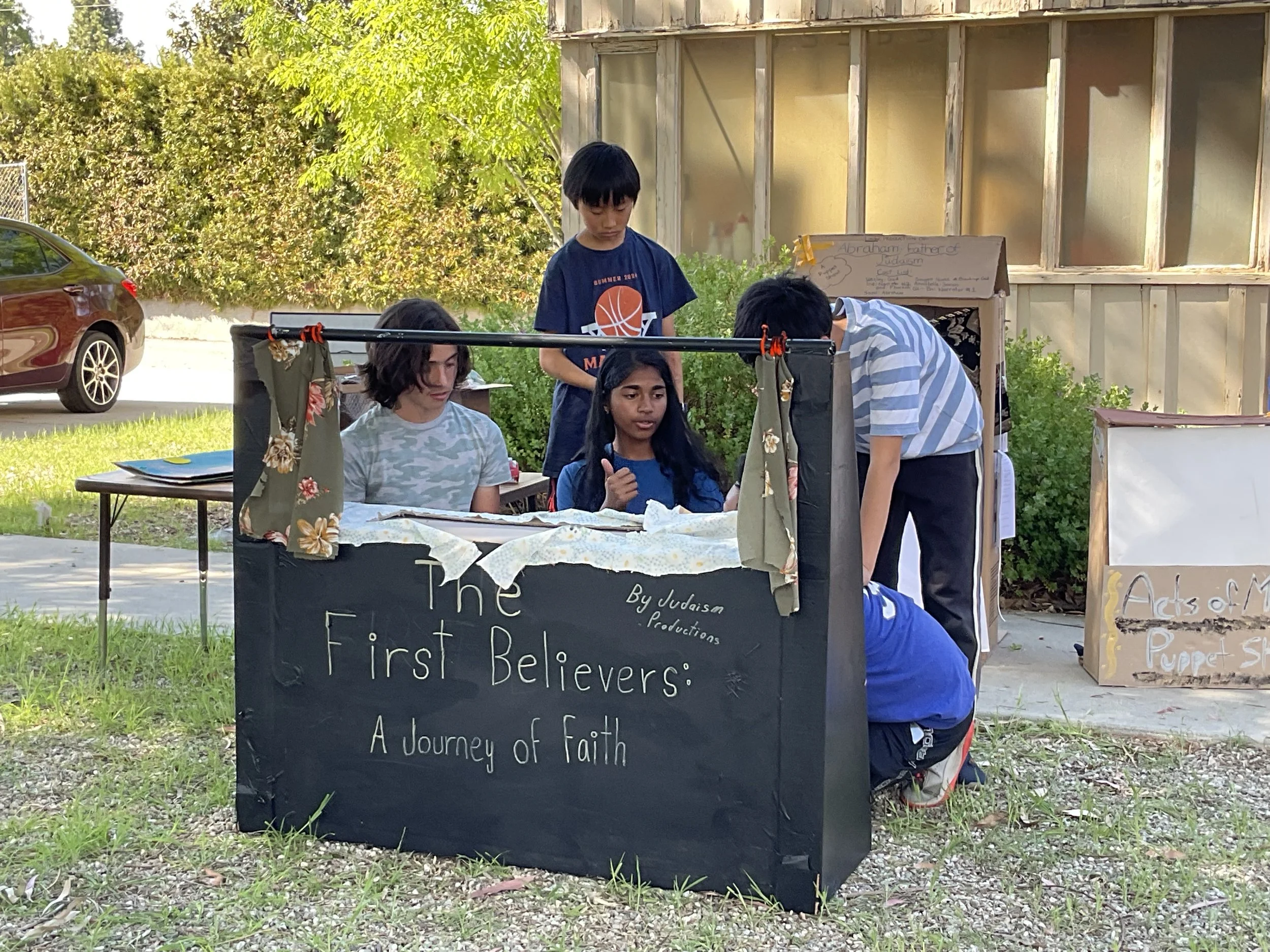
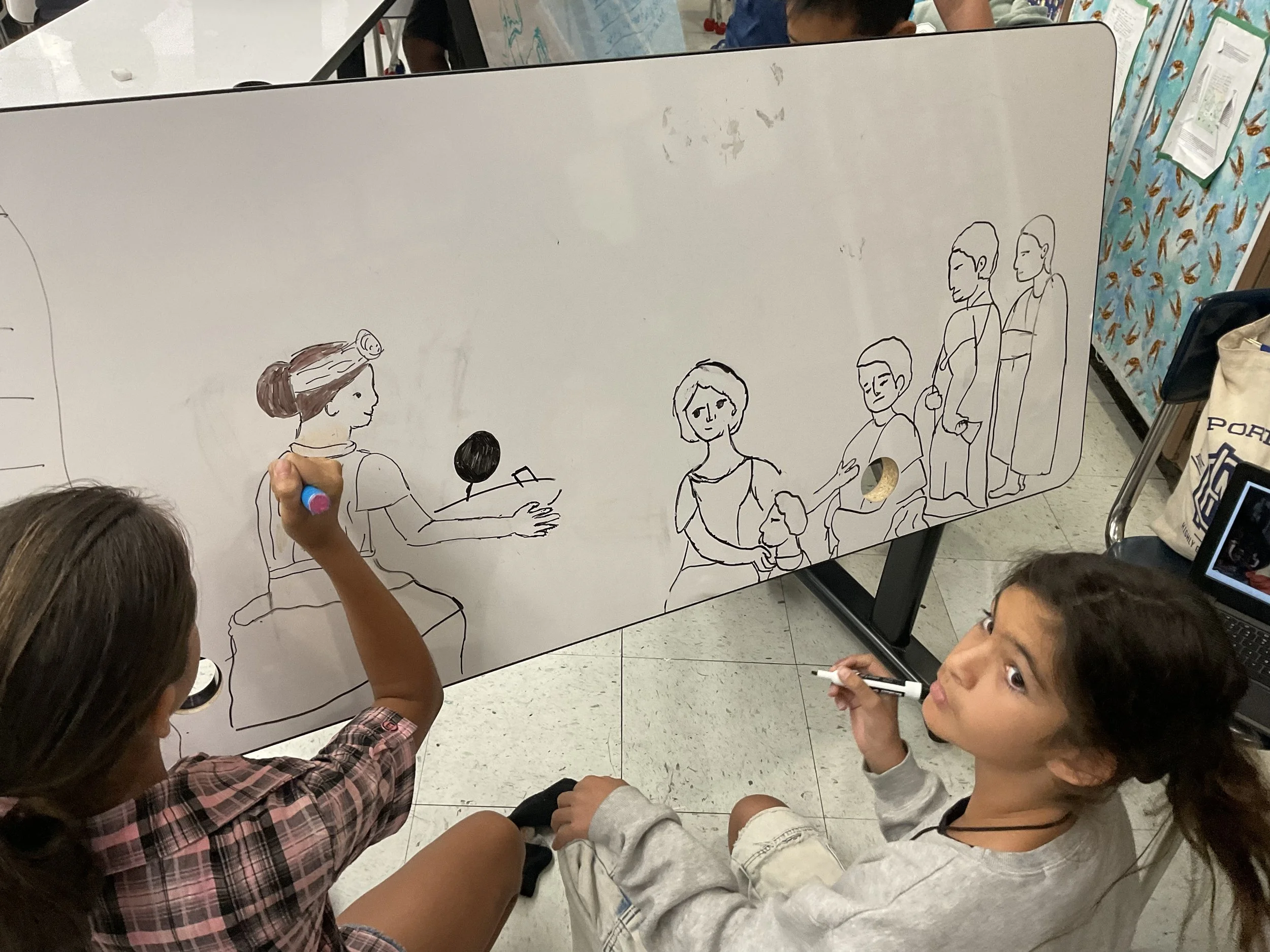
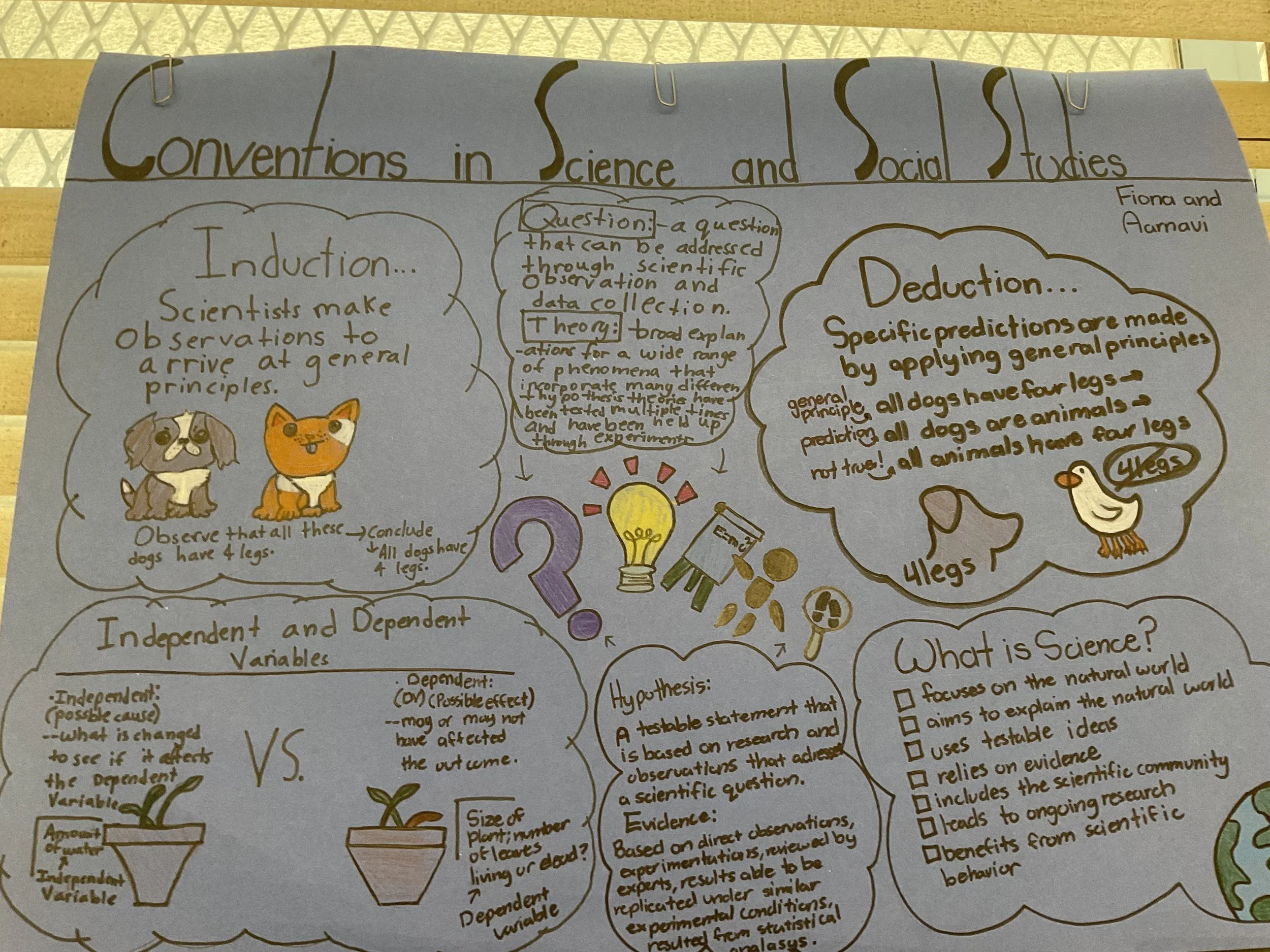
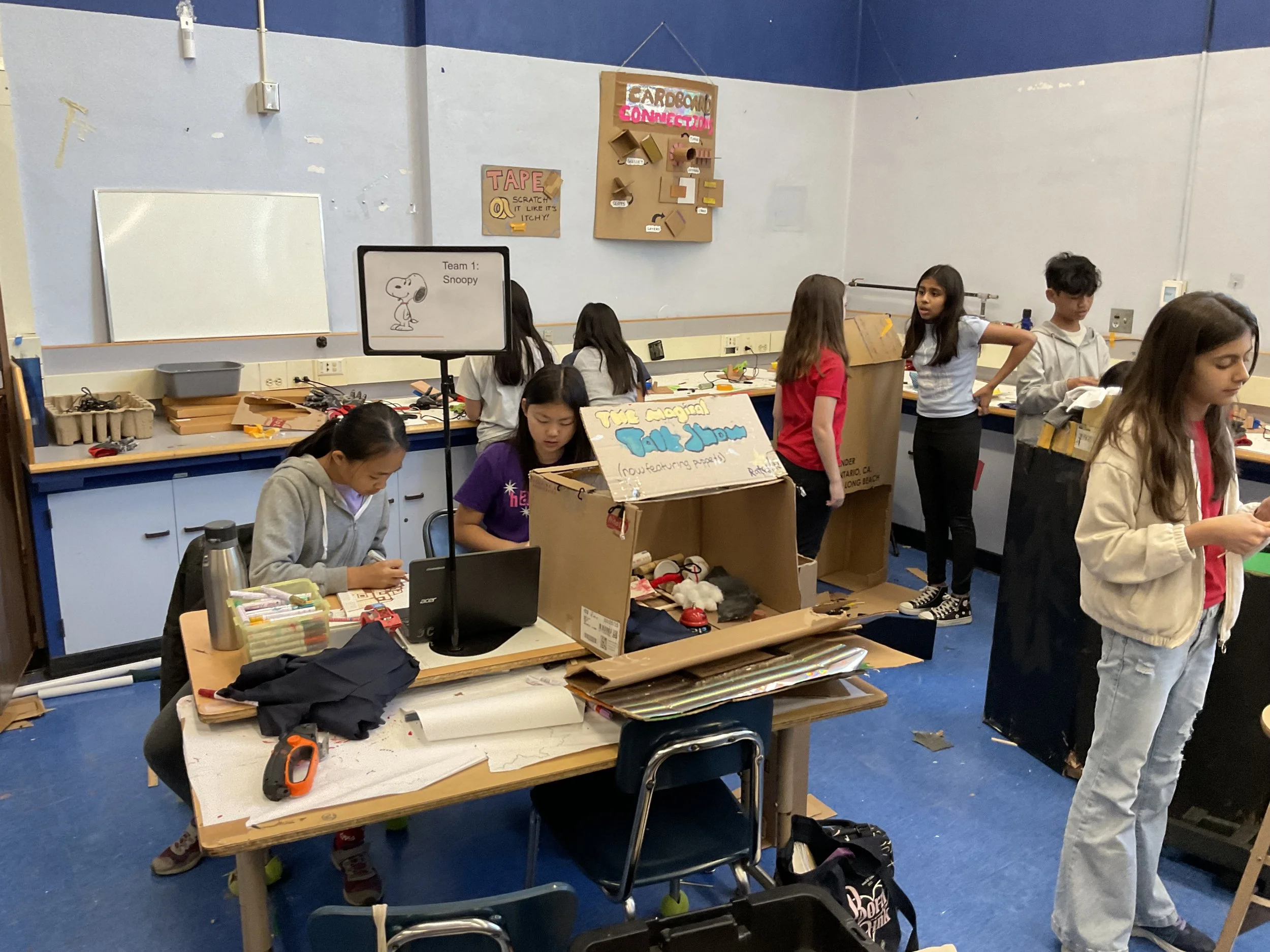
HGM 6th-grade social studies is hands-on, engaging, and deeply connected to their science learning. Through projects, collaboration, and immersive experiences, students don’t just learn about ancient civilizations—they explore the scientific discoveries and innovations that helped them thrive.
In the sixth-grade HGM, students become historians—curious, thoughtful, and inspired as they uncover the knowledge, achievements, and ideals of the past.
6th, 7th, and 8th Grade Learning Outcomes
Chronological and Spatial Thinking
1. Students explain how major events are related to one another in time.
2. Students construct various time lines of key events, people, and periods of the historical era they are studying.
3. Students use a variety of maps and documents to identify physical and cultural features of neighborhoods, cities, states, and countries and to explain the historical migration of people, expansion and disintegration of empires, and the growth of economic systems.
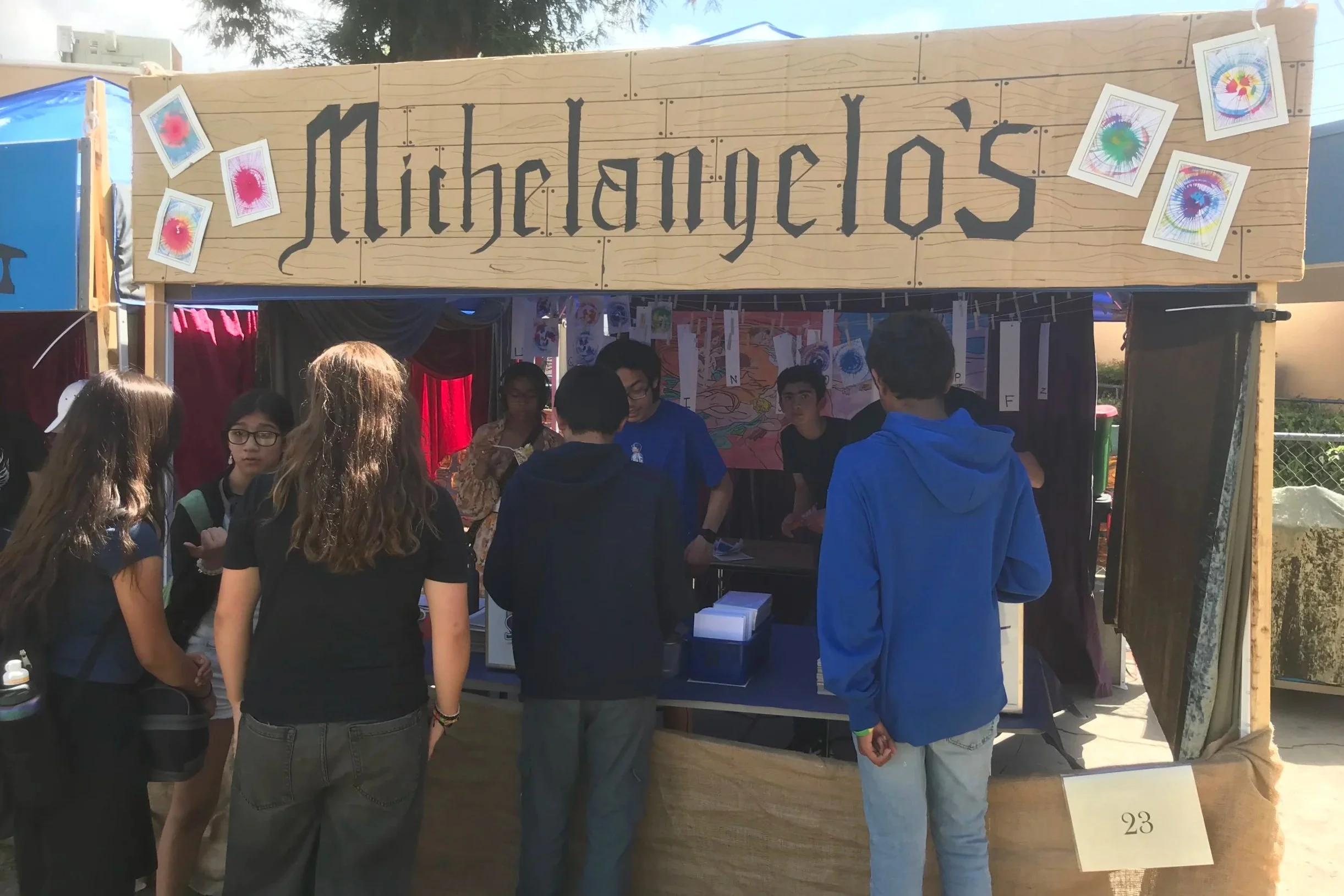
Research, Evidence, and Point of View
1. Students frame questions that can be answered by historical study and research.
2. Students distinguish fact from opinion in historical narratives and stories.
3. Students distinguish relevant from irrelevant information, essential from incidental information, and verifiable from unverifiable information in historical narratives and stories.
4. Students assess the credibility of primary and secondary sources and draw sound conclusions from them.
5. Students detect the different historical points of view on historical events and determine the context in which the historical statements were made (the questions asked, sources used, author's perspectives).
Historical Interpretation
1. Students explain the central issues and problems from the past, placing people and events in a matrix of time and place.
2. Students understand and distinguish cause, effect, sequence, and correlation in historical events, including the long-and short-term causal relations.
3. Students explain the sources of historical continuity and how the combination of ideas and events explains the emergence of new patterns.
4. Students recognize the role of chance, oversight, and error in history.
5. Students recognize that interpretations of history are subject to change as new information is uncovered.
6. Students interpret basic indicators of economic performance and conduct cost-benefit analyses of economic and political issues
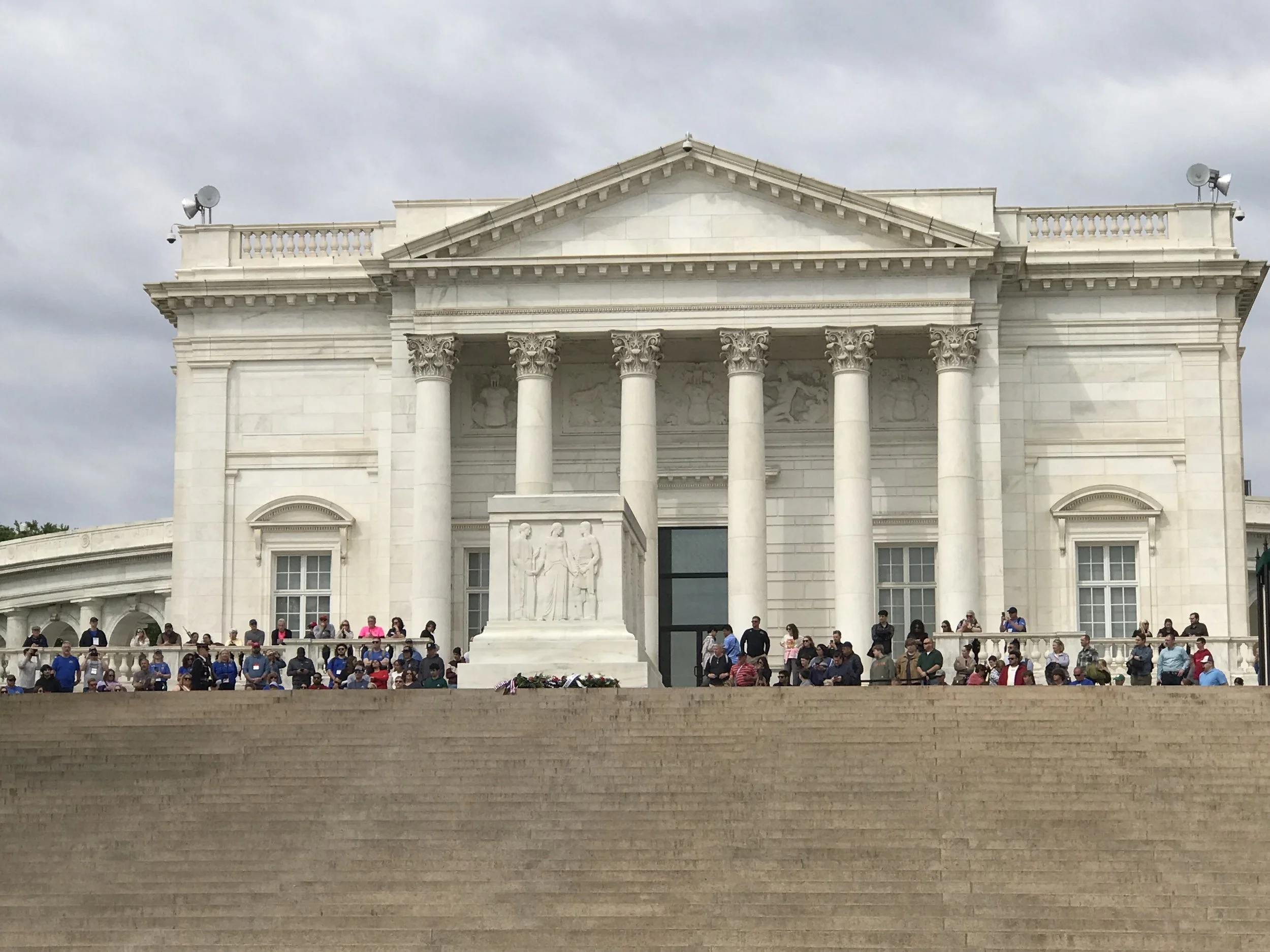
Seventh and Eighth Grade HGM Social Studies
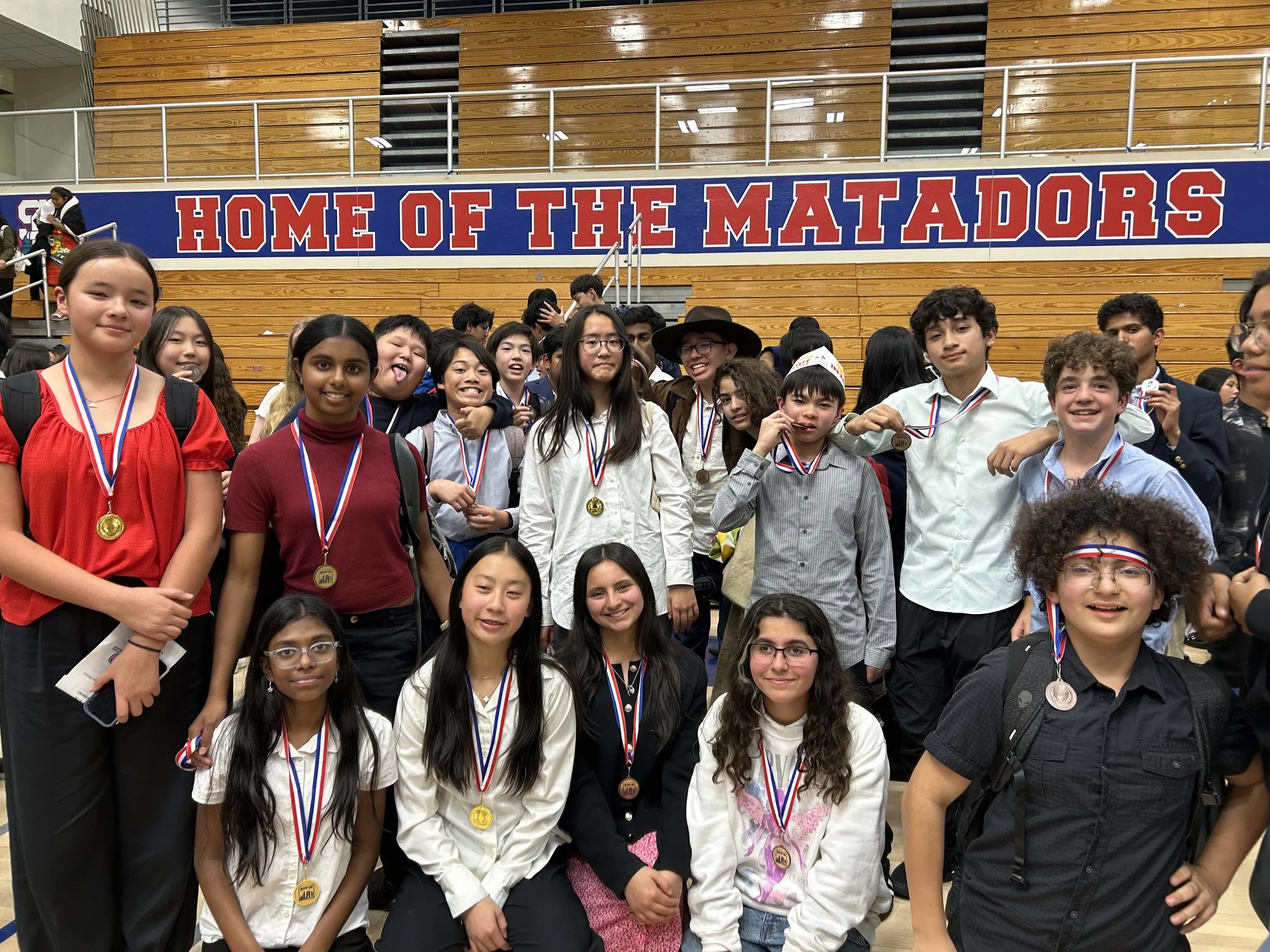
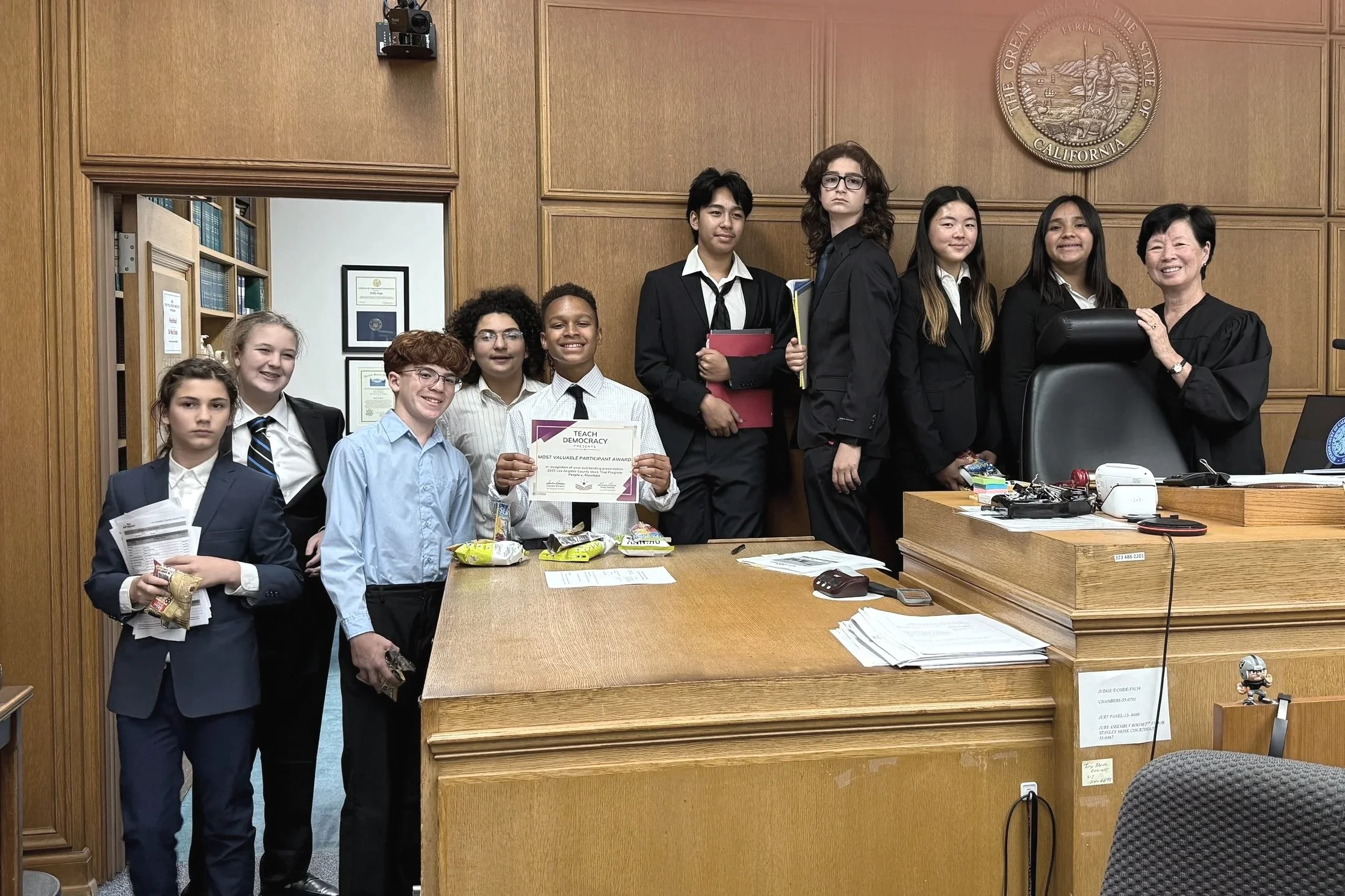
World History and Geography: Medieval and Early Modern Times Grade 7
Students in grade seven study the social, cultural, and technological changes that occurred in Europe, Africa, and Asia from A.D. 500 to 1789. After reviewing the ancient world and how archaeologists and historians uncover the past, students study the history and geography of great civilizations that were developing concurrently around the world during the medieval and early modern periods. They examine the growing economic interaction among civilizations as well as the exchange of ideas, beliefs, technologies, and commodities. They learn about the resulting growth of Enlightenment philosophy and the new examination of the concepts of reason and authority, the natural rights of human beings, the divine right of kings, experimentalism in science, and the dogma of belief. Finally, students assess the political forces unleashed by the Enlightenment, particularly the rise of democratic ideas, and learn about their continuing influence today.
United States History and Geography: Growth and Conflict Grade 8 Students in grade eight study the ideas, issues, and events from the framing of the Constitution up to World War I, with an emphasis on America’s role in the war. After reviewing the development of America’s democratic institutions, founded on the Judeo-Christian heritage and English parliamentary traditions, particularly the shaping of the Constitution, students trace the development of American politics, society, culture, and economy, and relate them to the emergence of major regional differences. They learn about the challenges facing the new nation, with an emphasis on the causes, course, and consequences of the Civil War. They make connections between the rise of industrialization and contemporary social and economic conditions.
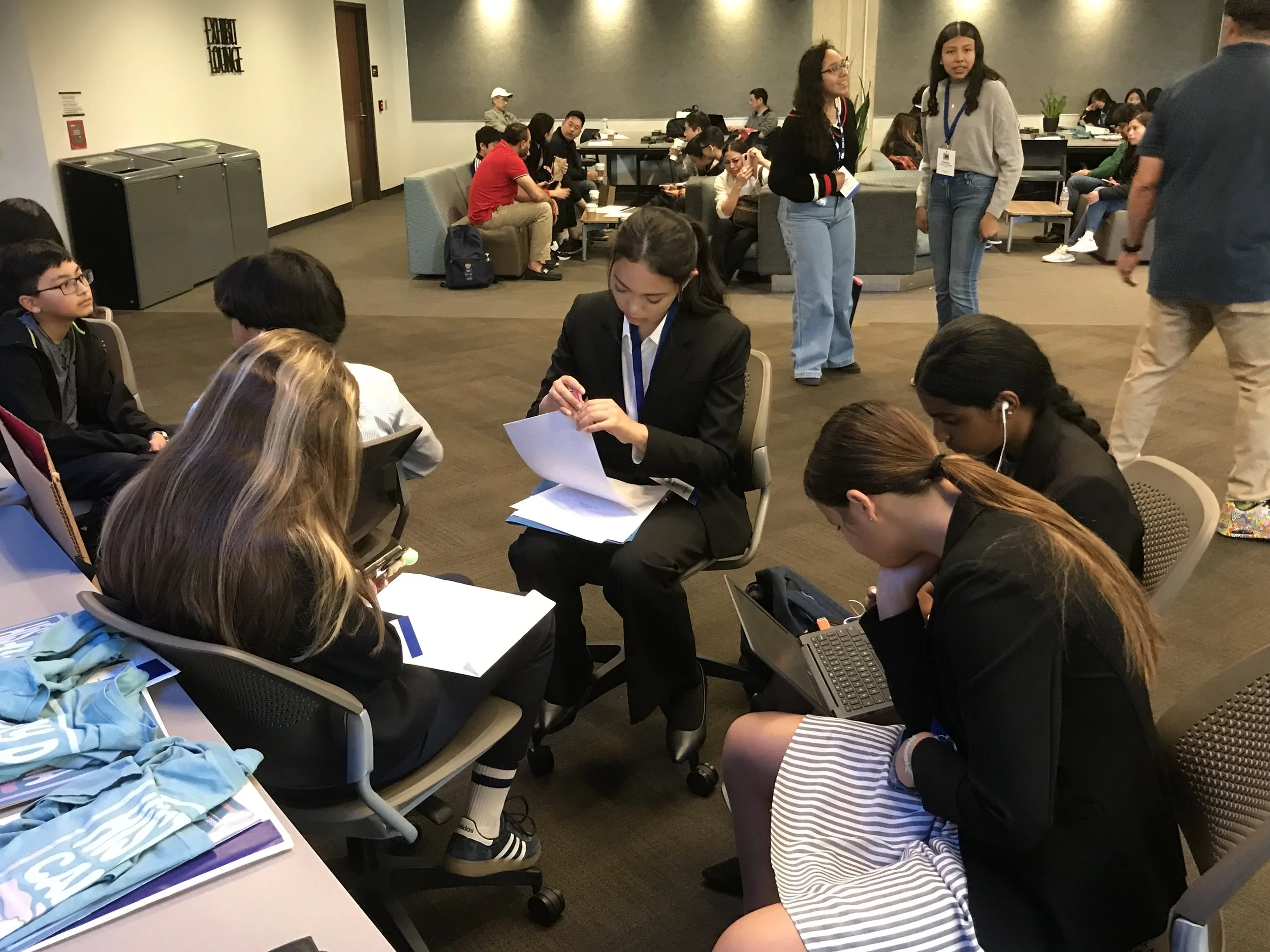


What Our Young Historians Are Saying
“Hello, my name is Spencer. I am an 8th grader at the Portola HGM. I came to Portola in the 6th grade, and it has changed my life. Throughout my time here, I have learned a lot about the world around us, and have also learned crucial skills that will help me later in life. The class sizes are perfect, and the teachers are some of the best in the district. For example, Mr. Goldstein, the 7th and 8th grade history teacher, has taught me a lot about history and applying the past to the present and the future. Overall, coming to Portola was one of the best choices of my life. See you in school!”
-Spencer Ames, 8th grade