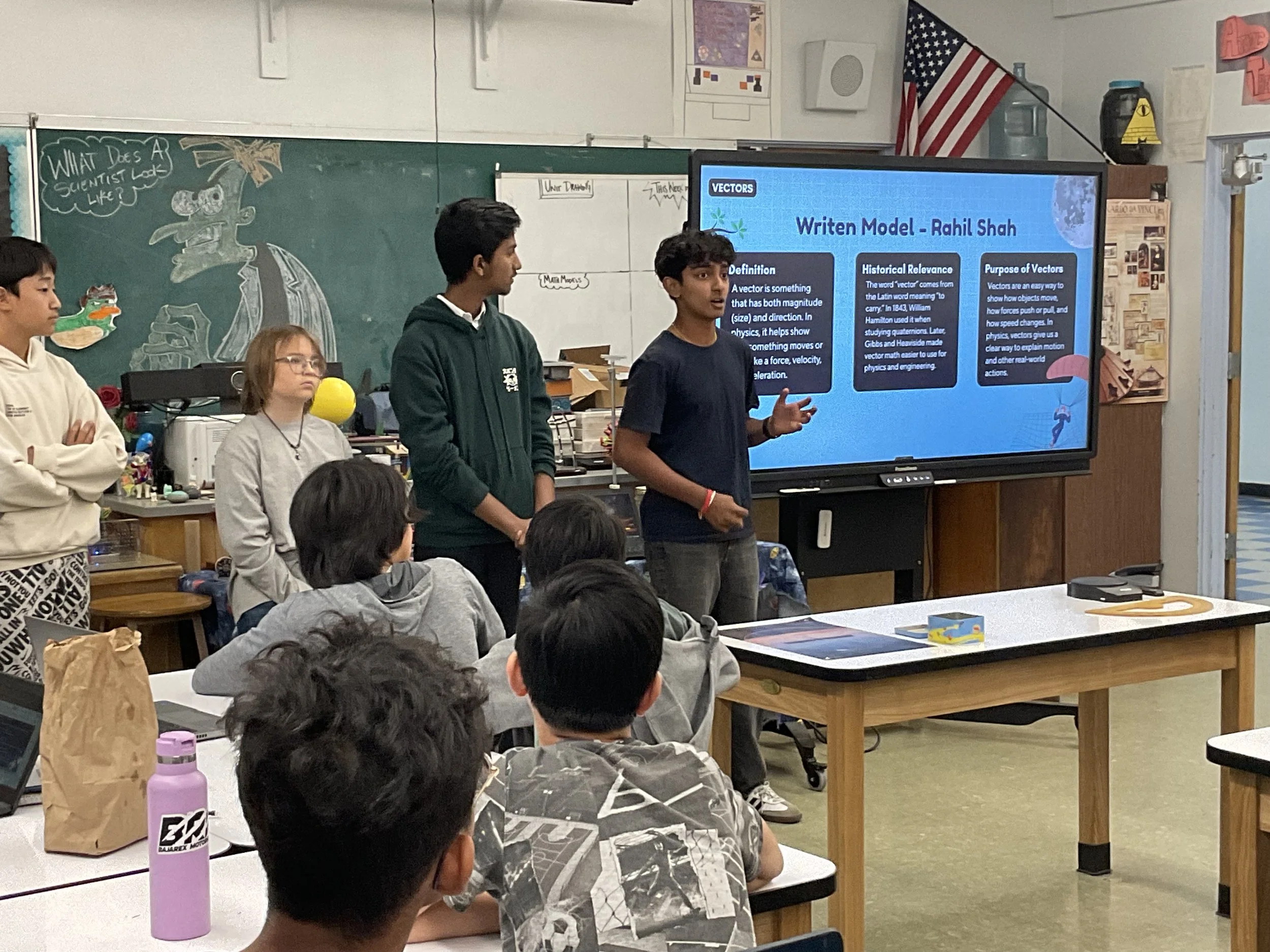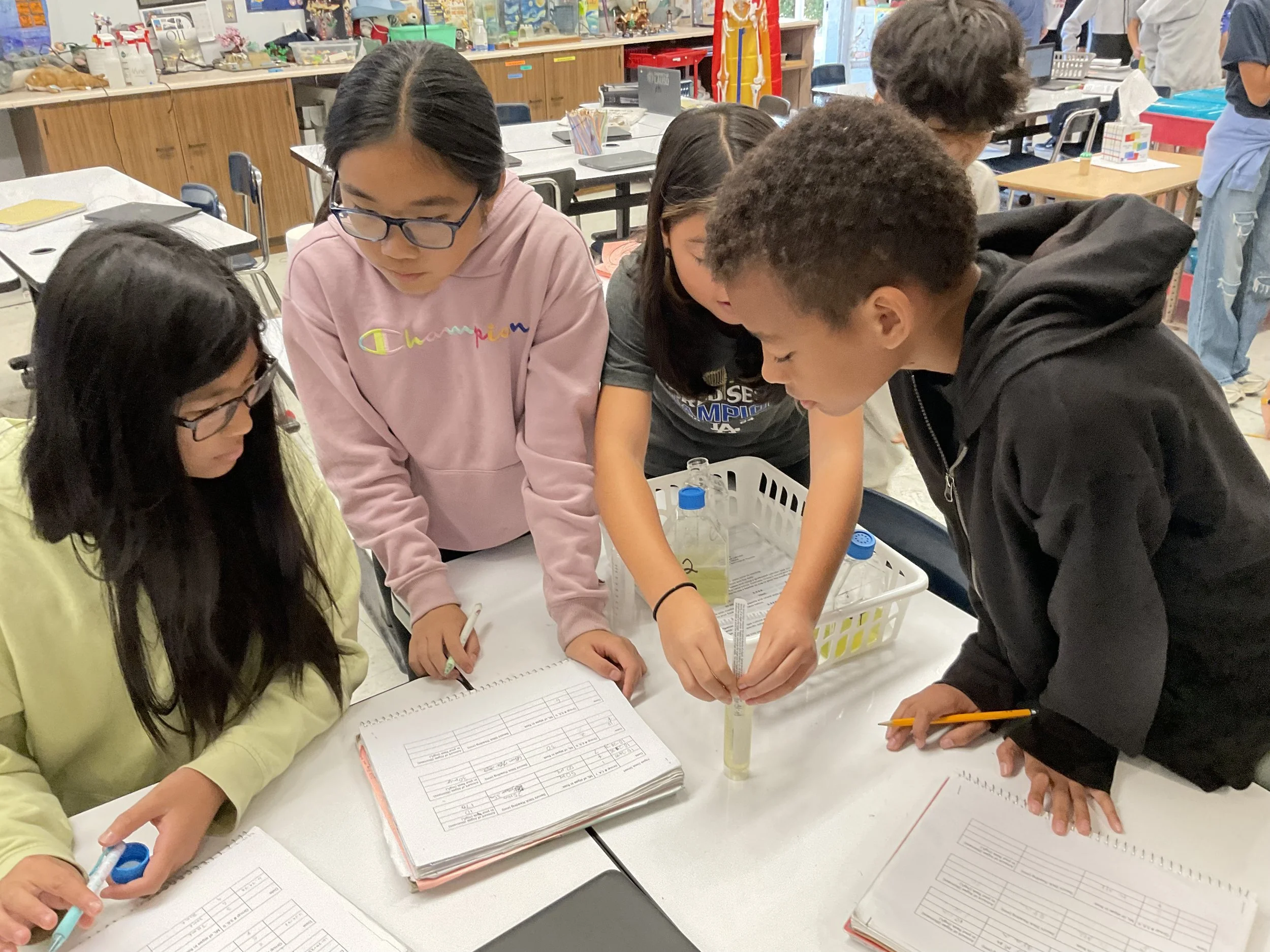
Science at Portola HGM
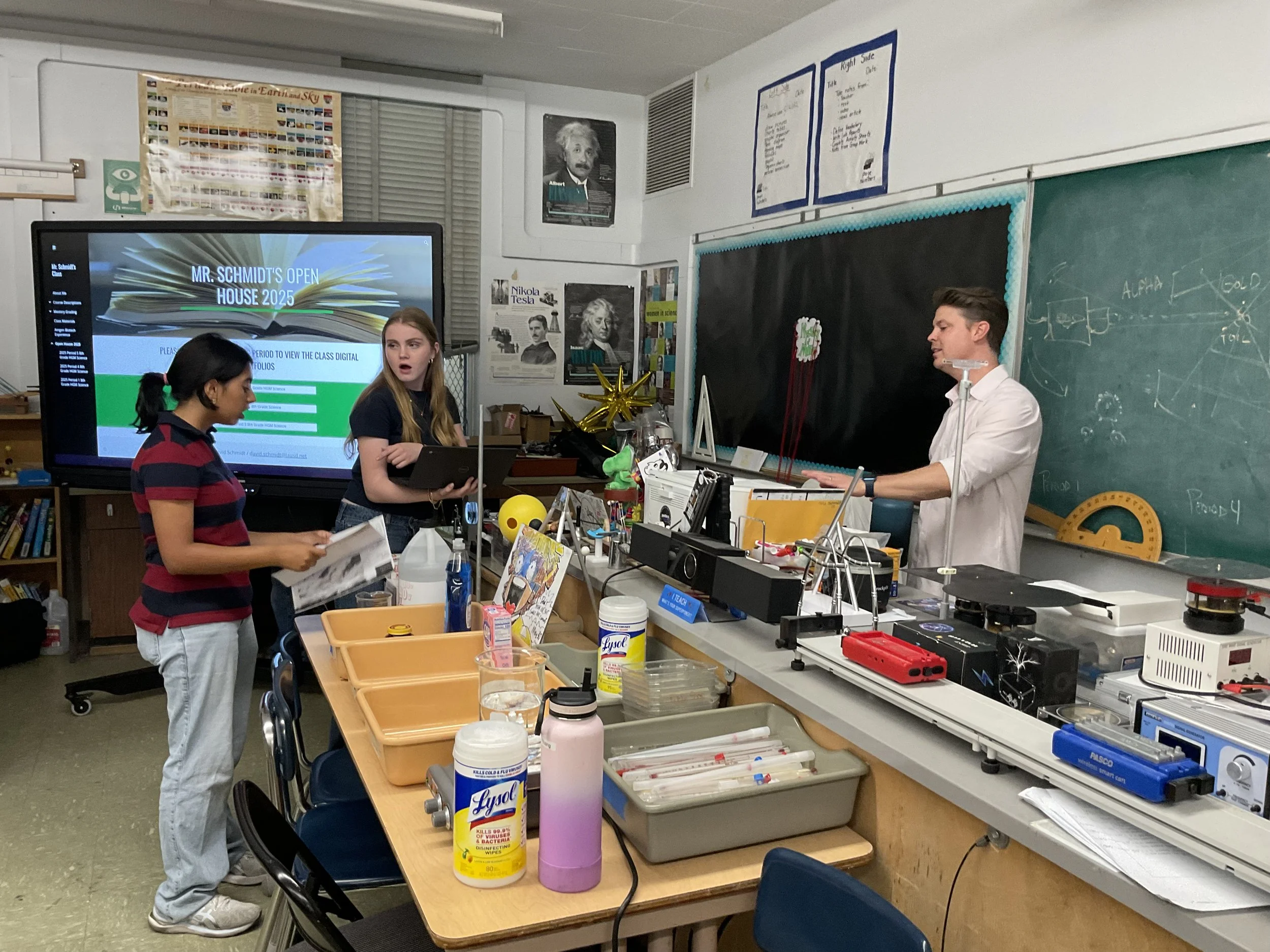
Science at Portola HGM is constructive, with every learner maximizing their science potential through real-world scientific investigations and deep understanding of advanced scientific concepts. HGM learners pursue knowledge as they develop and grow as young scientists. Our CAST score of 94% shows that science can be rigorous and joyful!
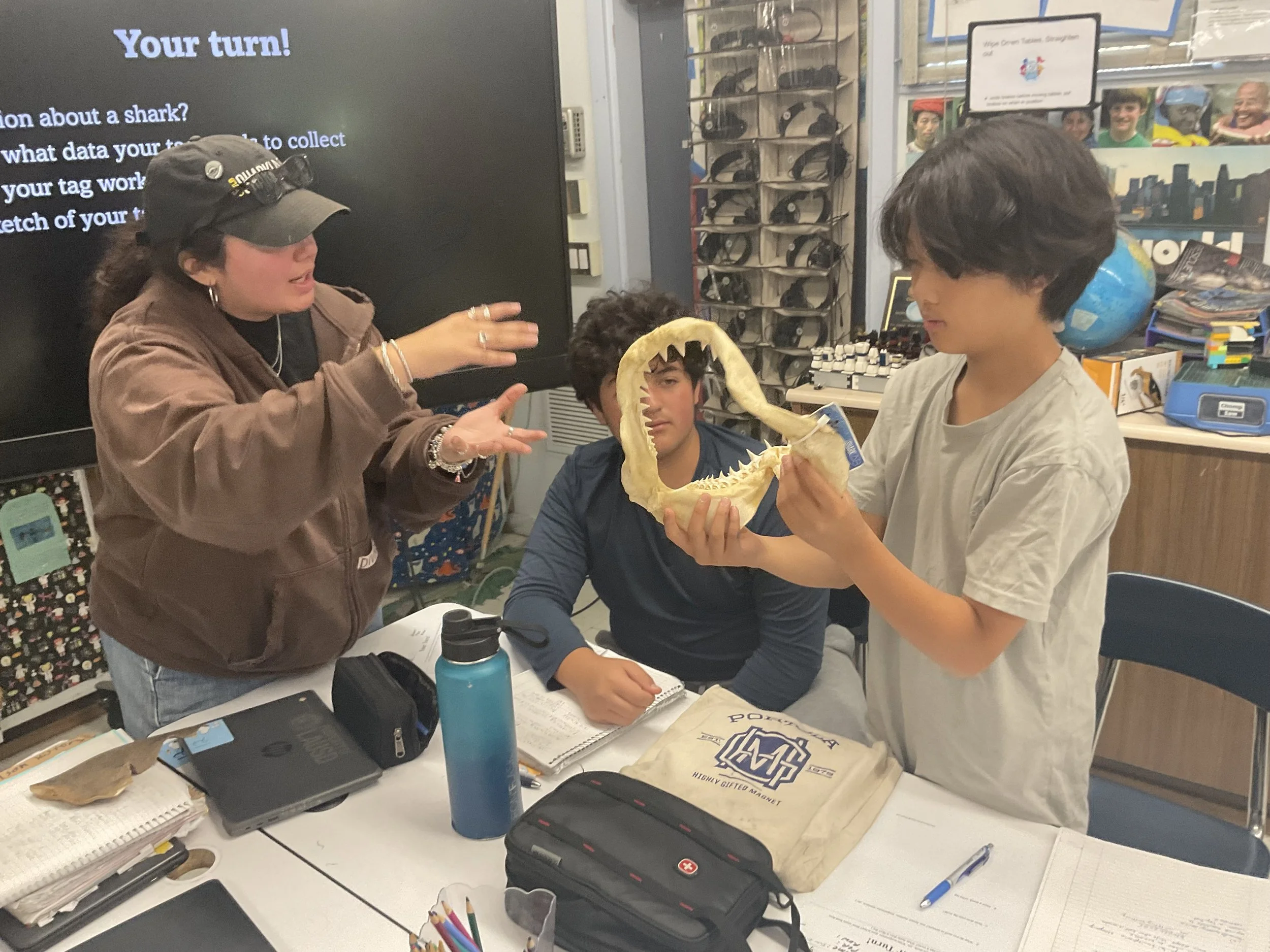
Sixth-grade HGM Science
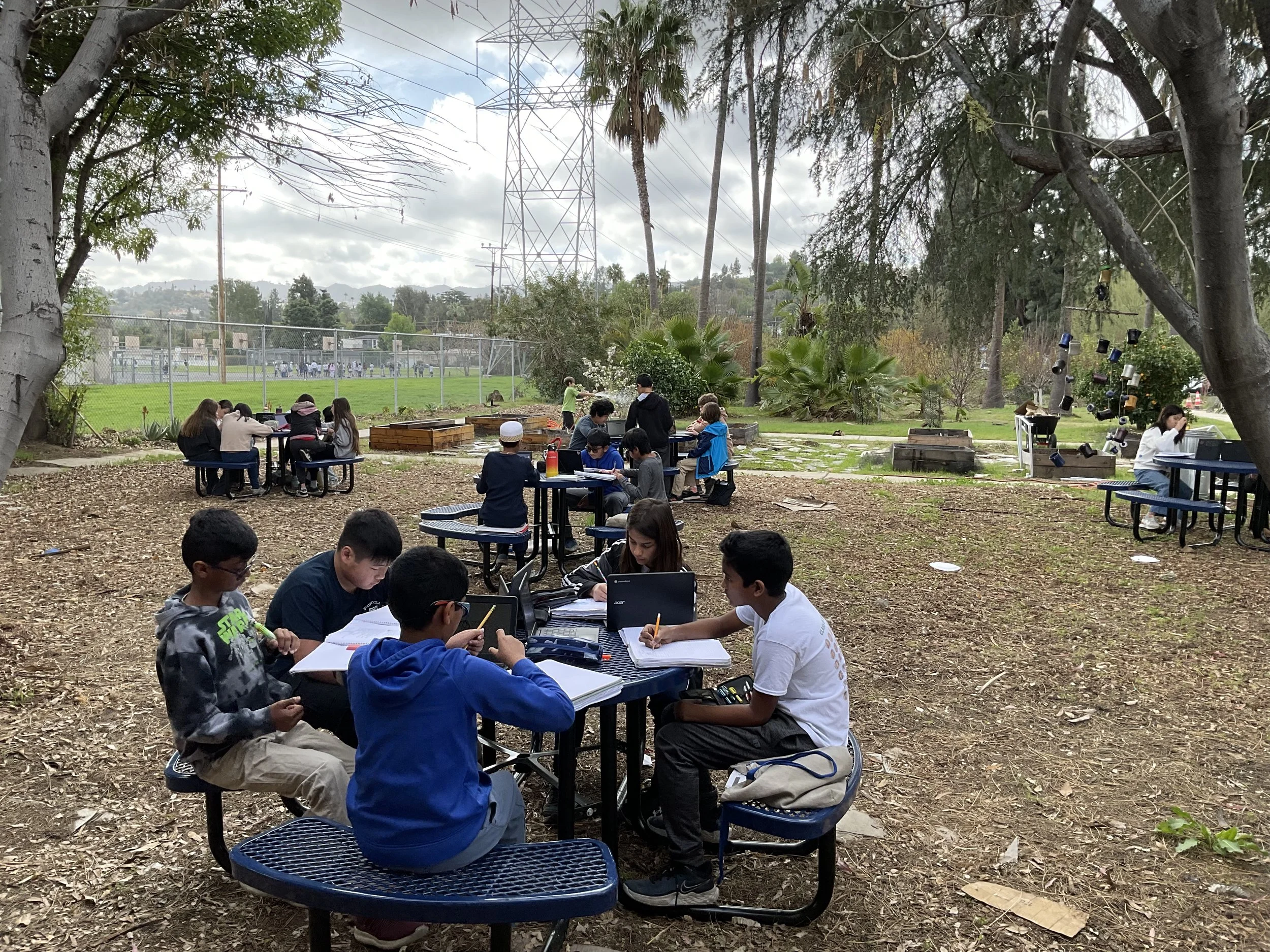
Observing, studying, and monitoring marine organisms in our classroom…
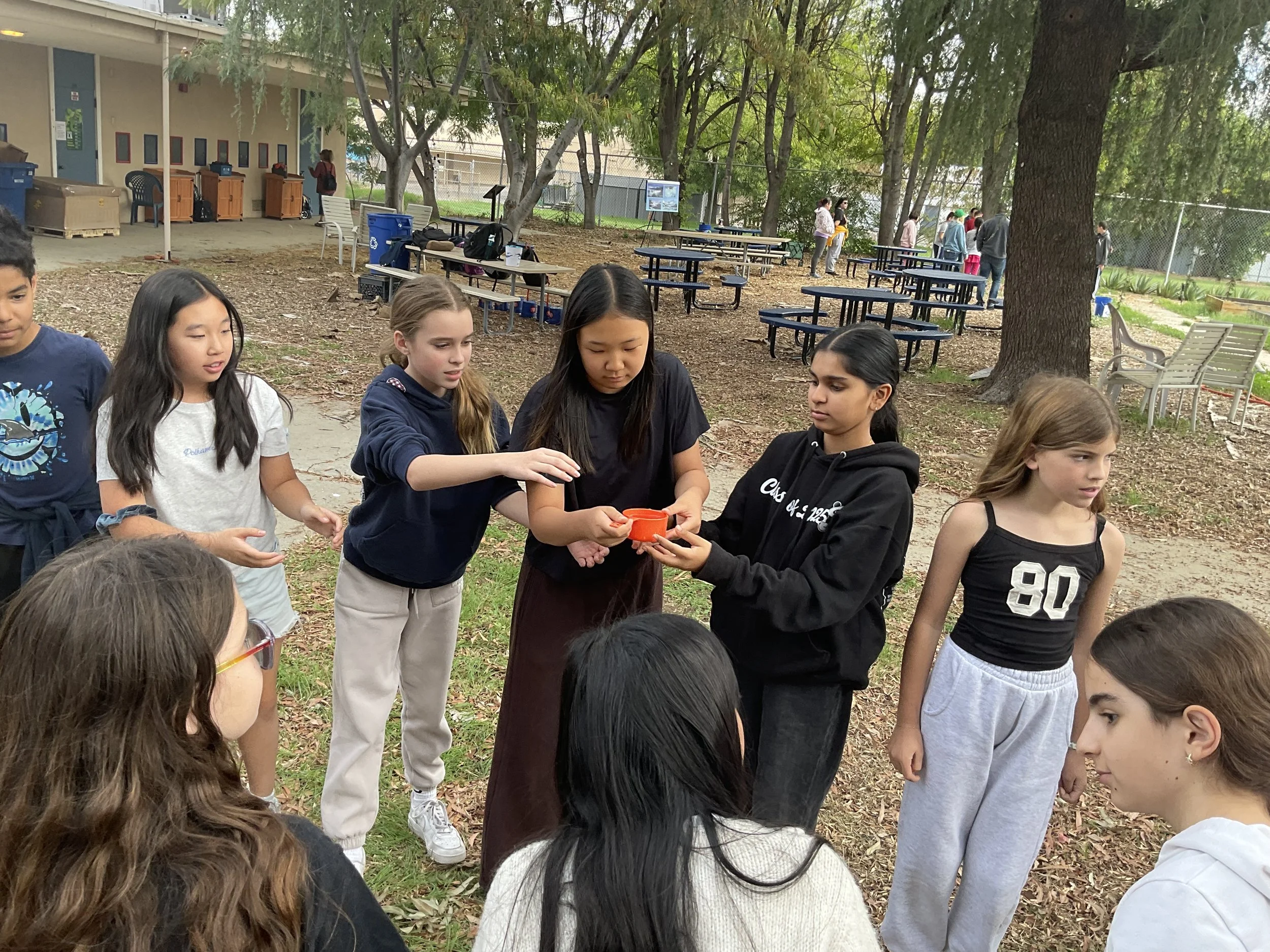
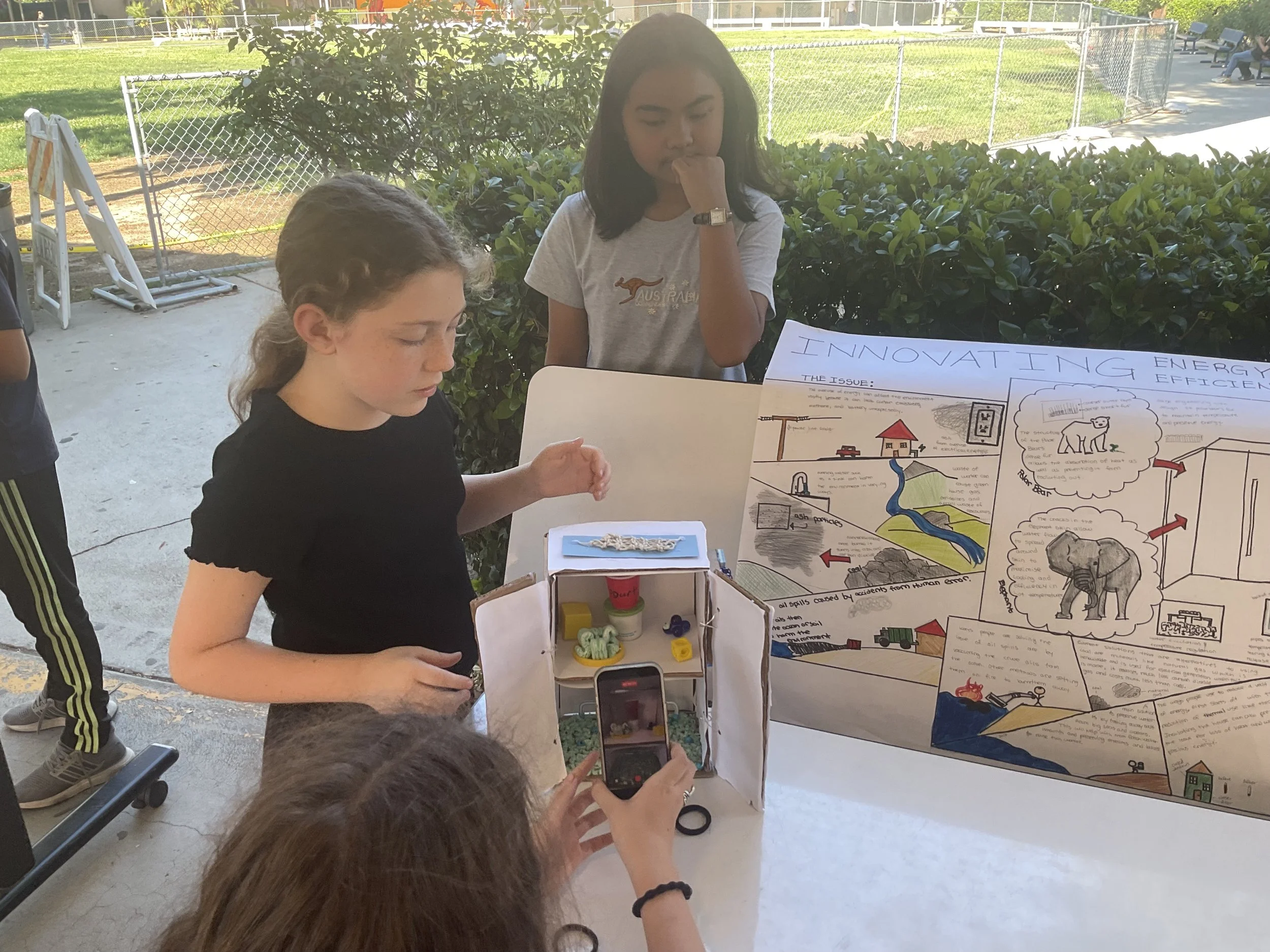
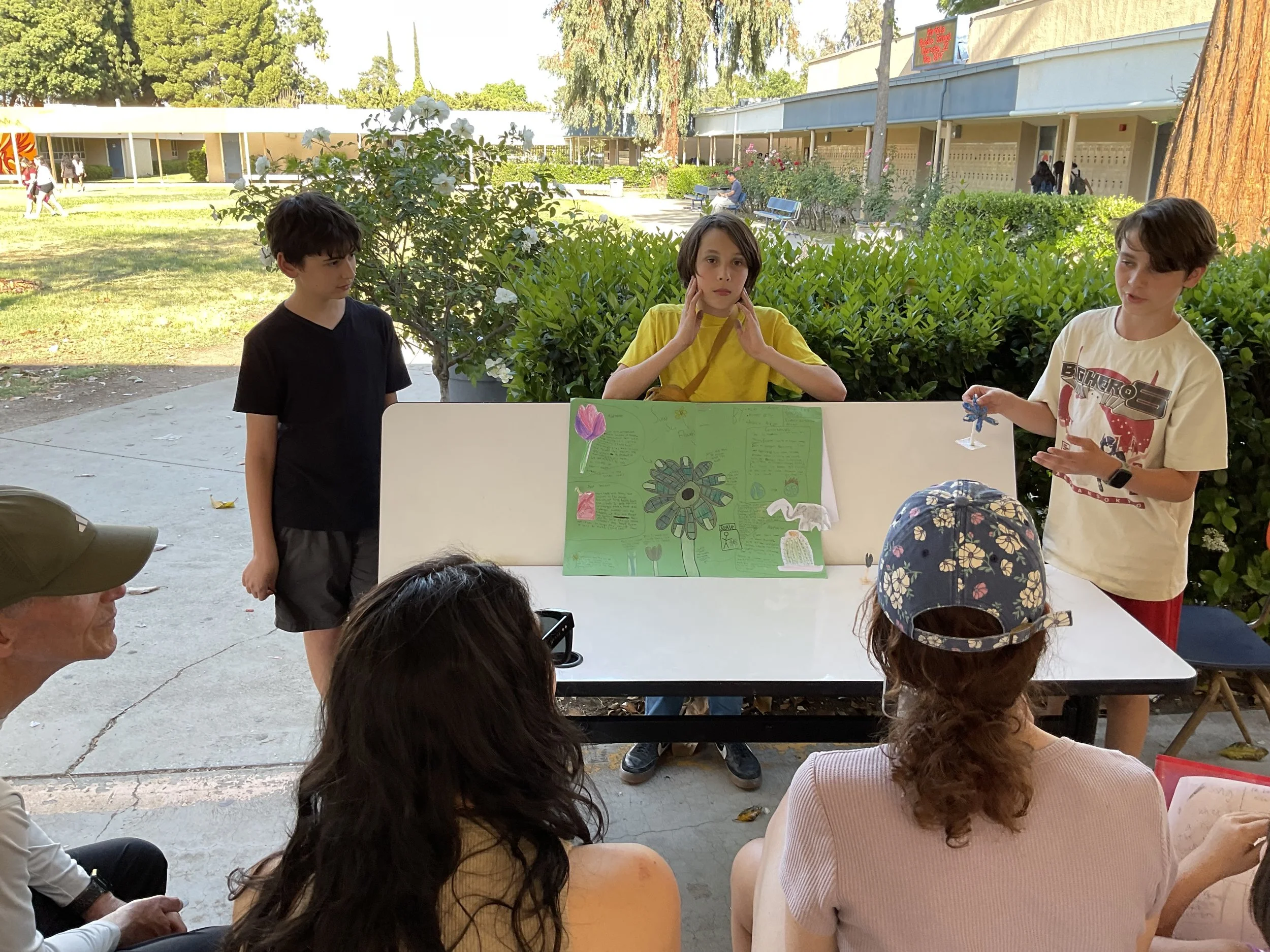
Learning Outcomes:
By the end of their sixth-grade year, HGM learners will see themselves as scientists as they develop the following skills:
*Engineering Design Process
*Scientific Method as a cyclical process that generates questions more than answers
* Navigating scientific studies in journals and professional articles
*Research methodology
* Credible sources
*APA style in writing and referencing
Content: Big Ideas
The Ocean as a source of life and Earth's processes
Evolutionary basics
Introduction to biology
Biomimicry
Health basics: drug education
Innovation as a scientific skill
Laboratory and Technical Skills:
Tank monitoring
Use of technology platforms for research and presentation
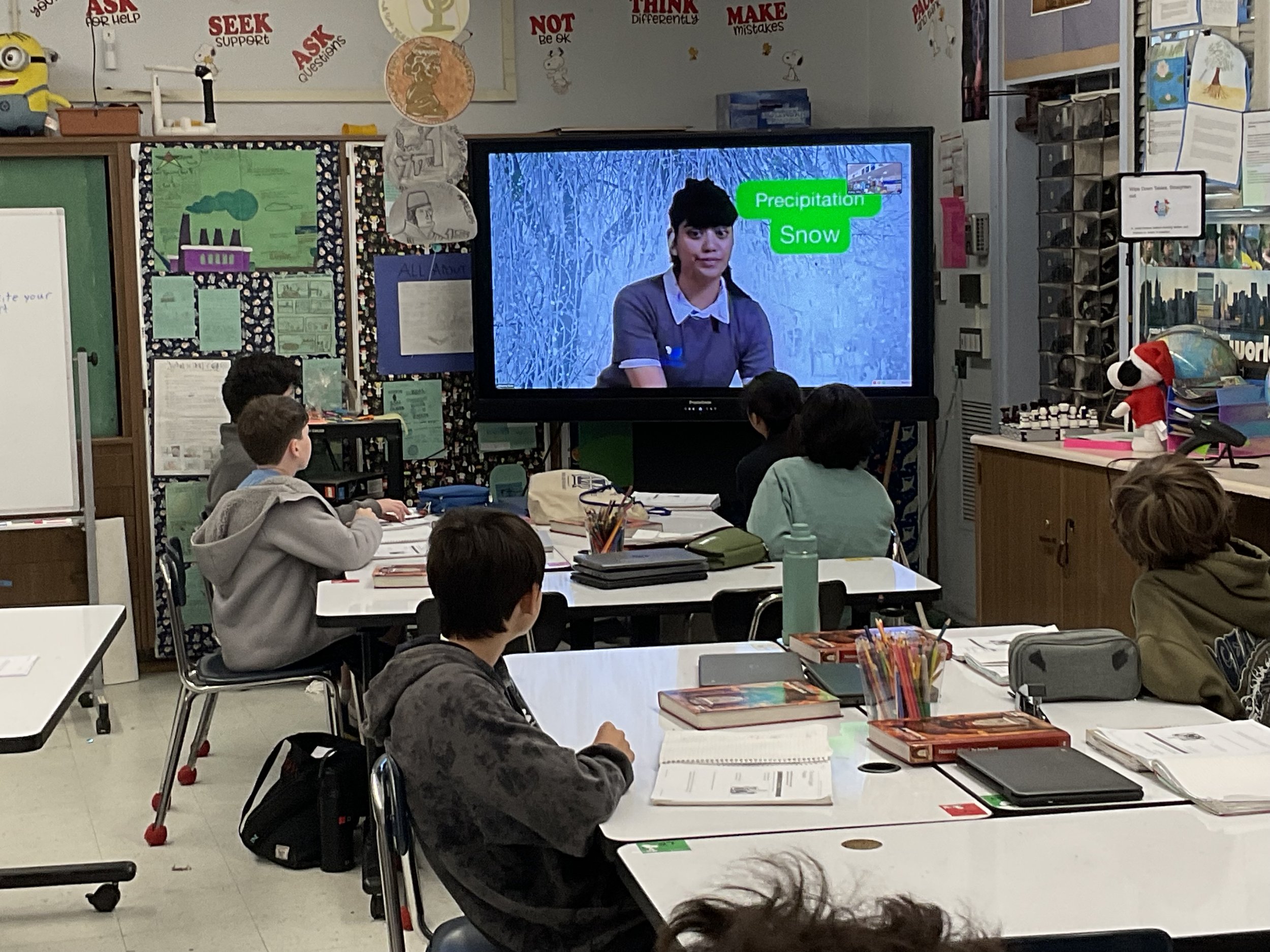
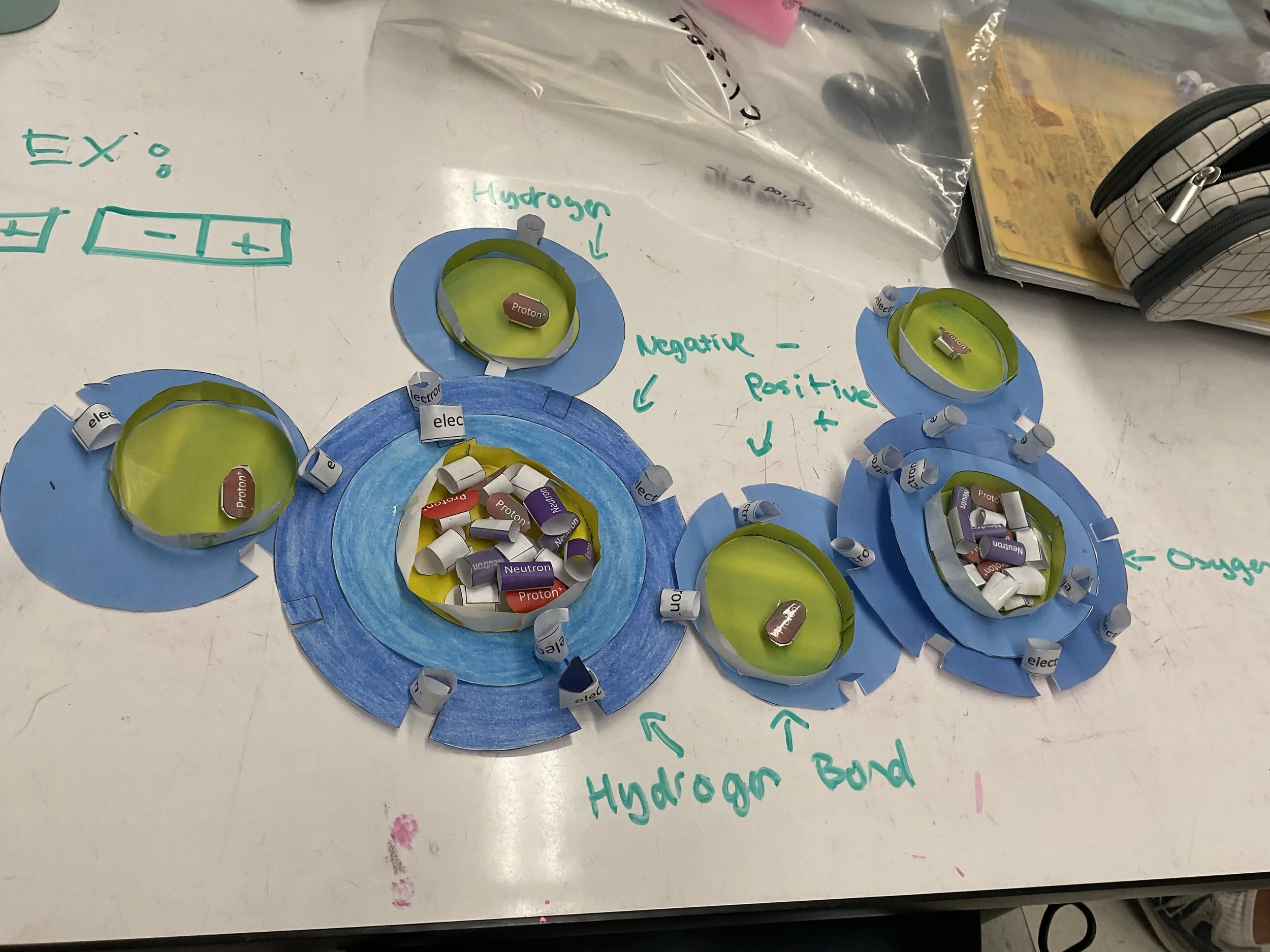
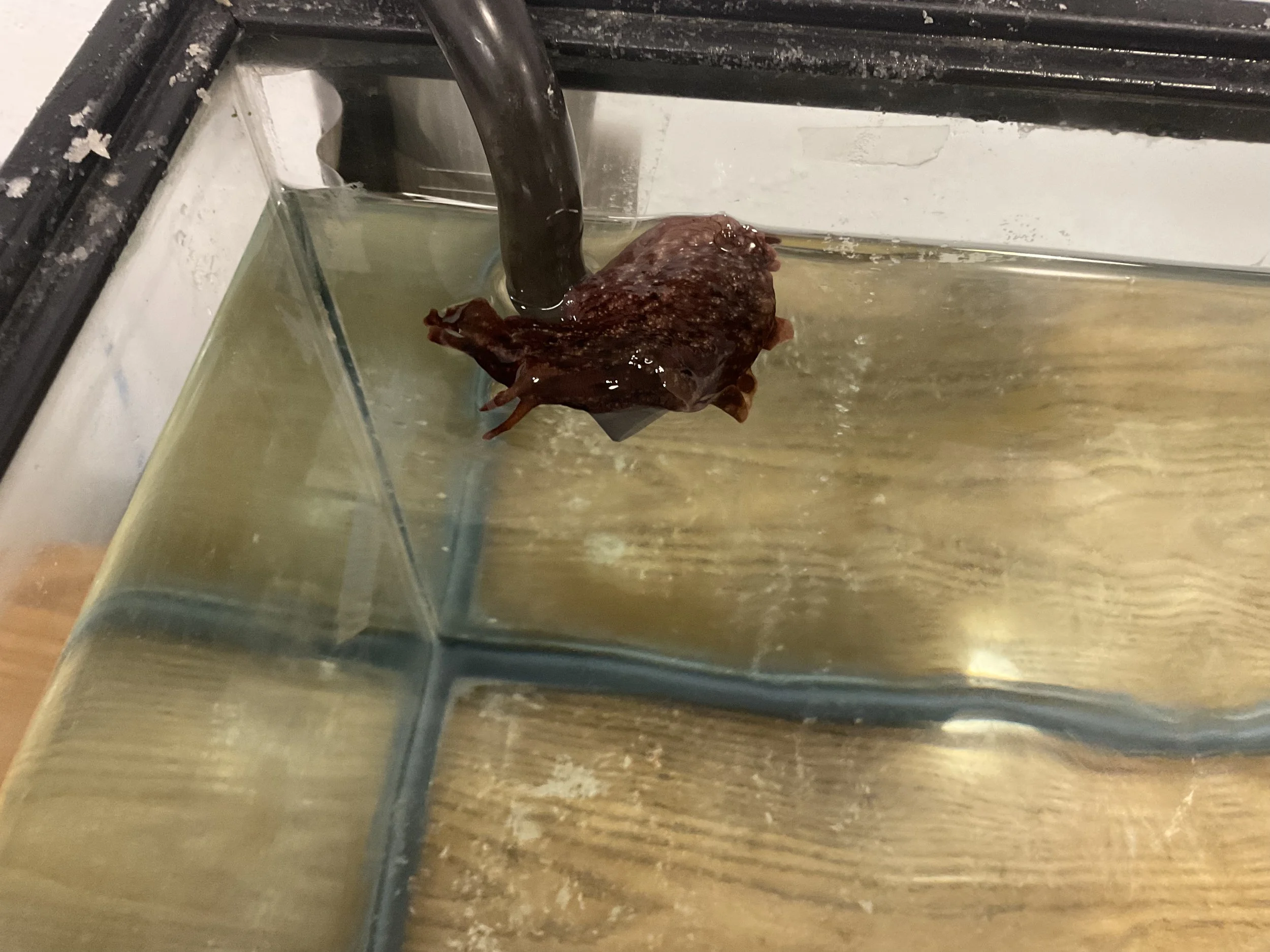
By the end of their 7th-grade year, HGM learners will see themselves as scientists as they develop the following skills:
Scientific Practice & Engineering Design:
Experimental Design with multiple variables and error propagation
Use of C-E-R to make evidence-based arguments
Conduct laboratory experiments
Collaborate group research and presentations
AP Biology Preparation
Biotechnology
Science Skills:
Independent research question development and hypothesis formation
Literature review using academic databases and peer-reviewed sources
APA format for citations, references, and research paper structure
Research methodology design: controls, variables, sample size, trials
Data collection over extended time periods (6-8 weeks minimum)
Statistical significance testing and data interpretation
Abstract writing following competition guidelines
Scientific poster design and layout principles
Formal presentation skills for judge interviews
Research notebook documentation and dating protocols
Ethics review for human subjects or vertebrate animals
Project timeline management and milestone tracking
7th Grade HGM Science
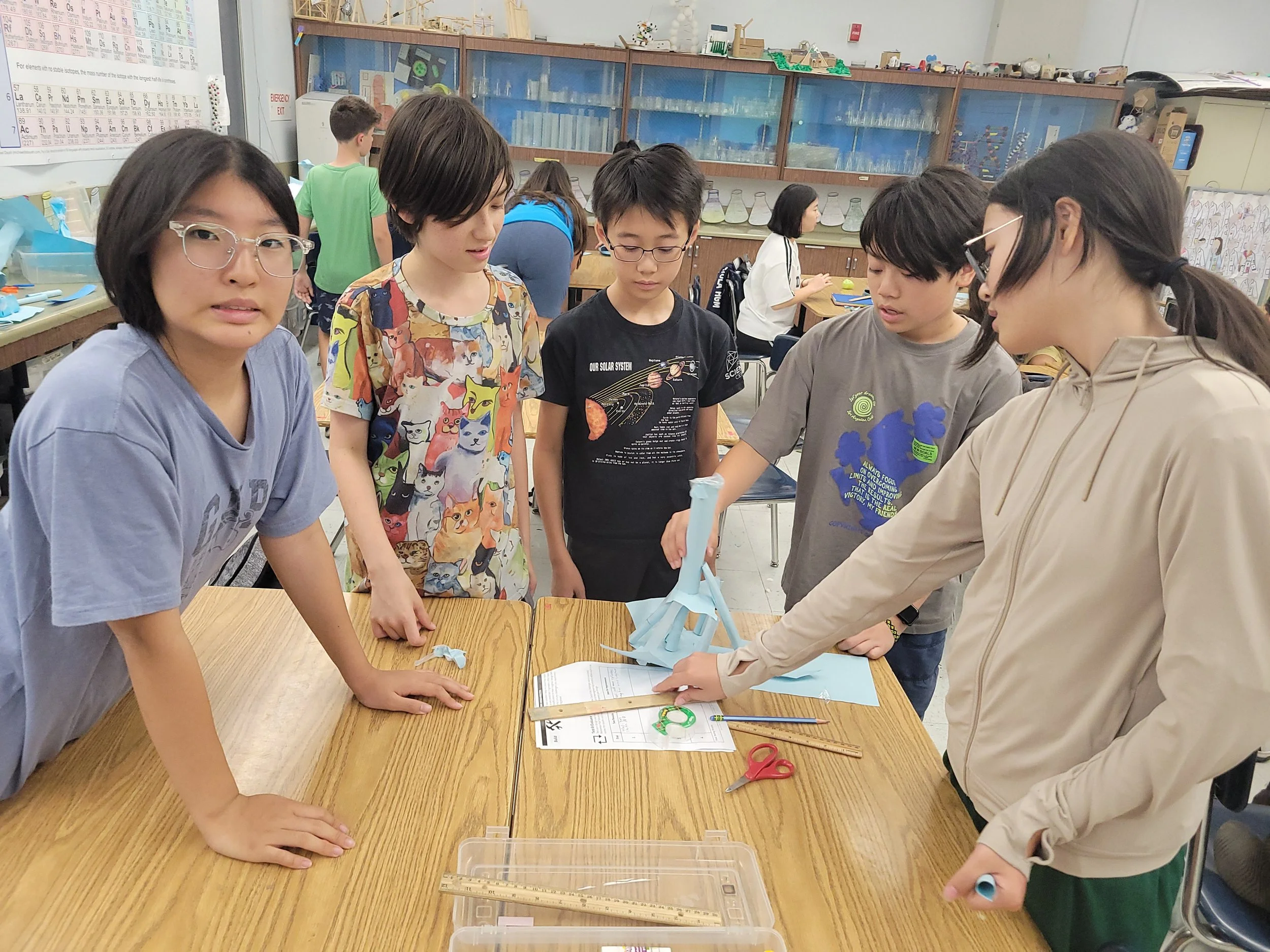
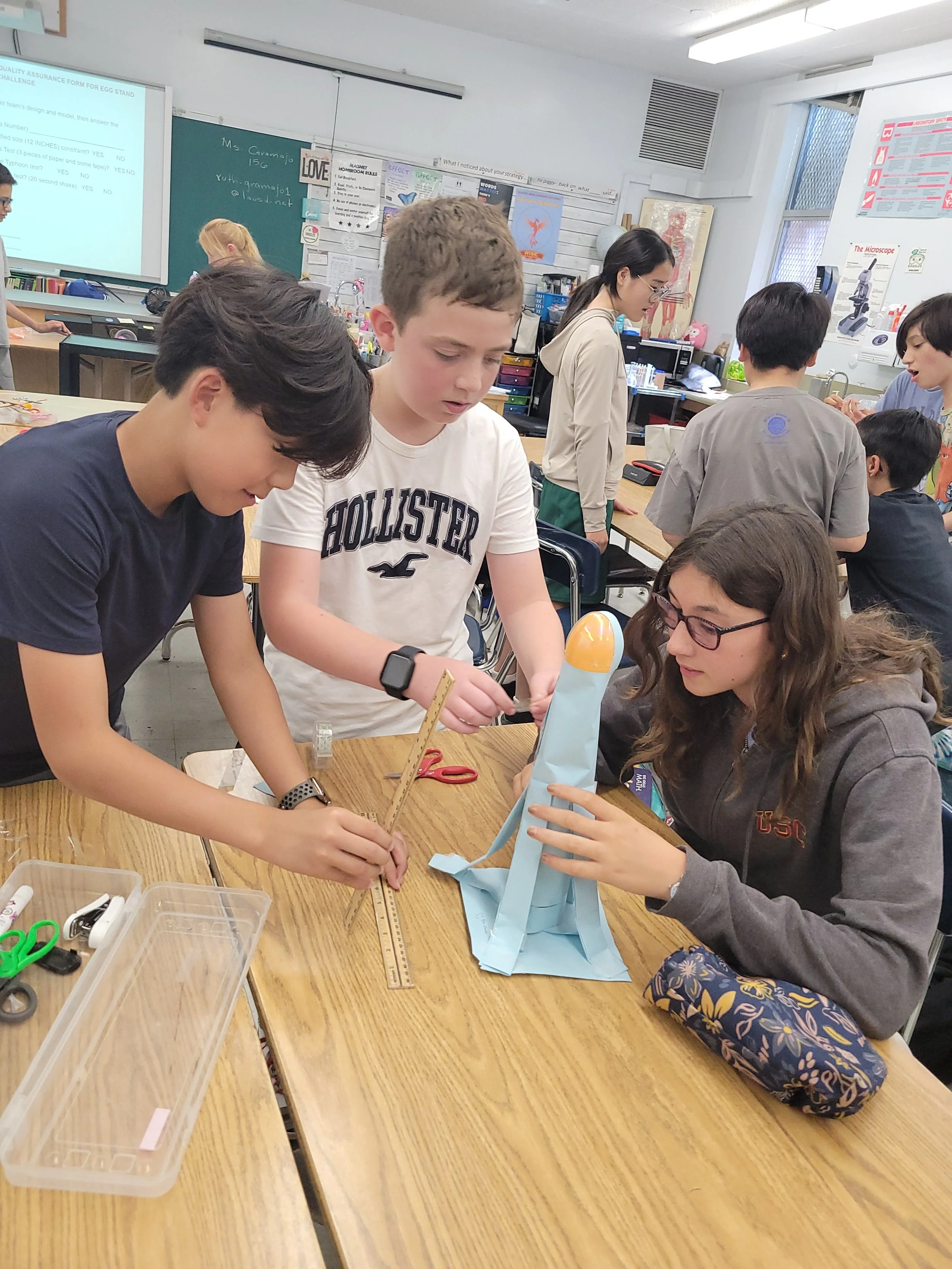
Seventh-grade science in the HGM is Biology and Health with an emphasis on real-world research, scientific processes, and experimental design.
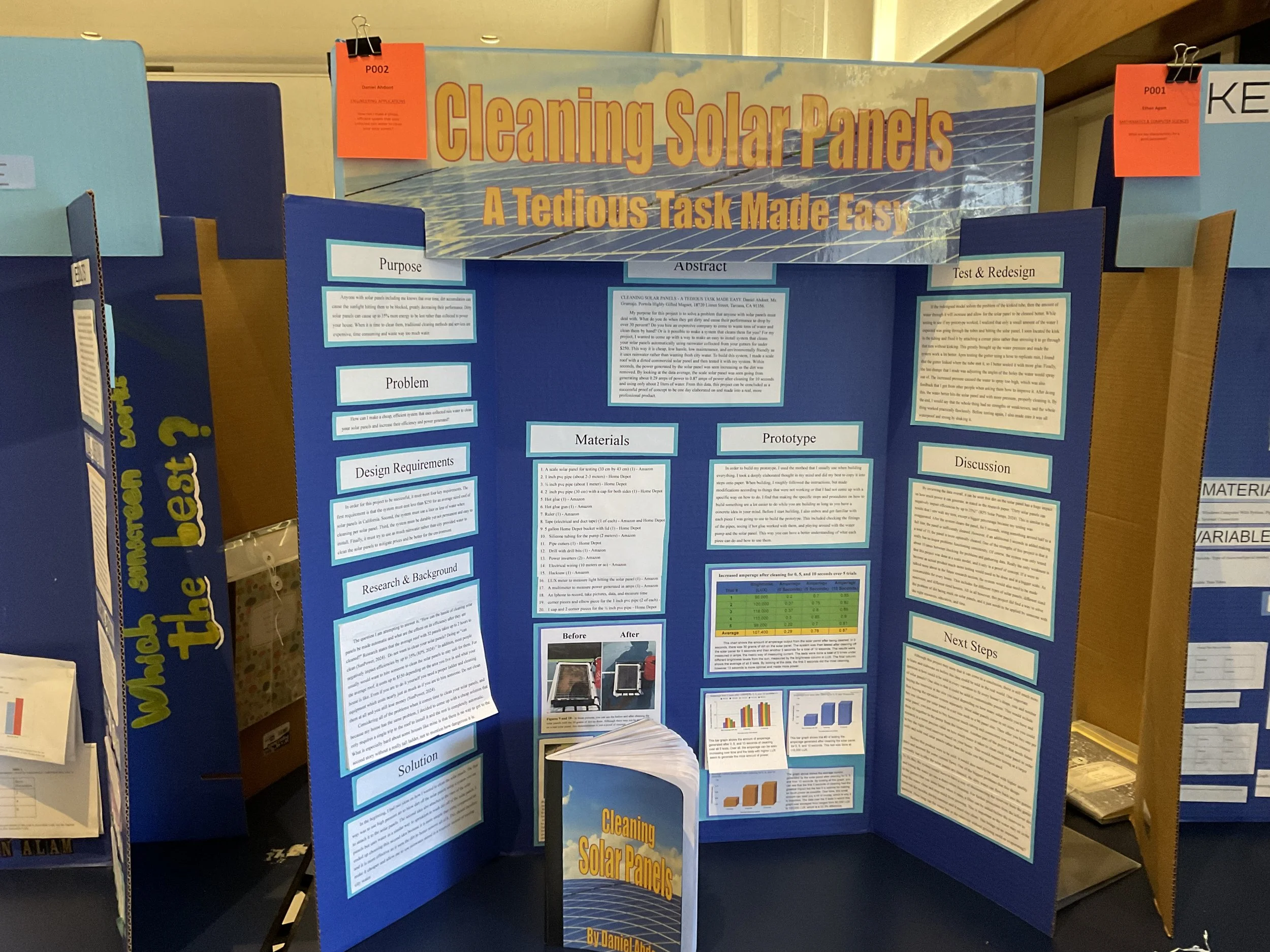
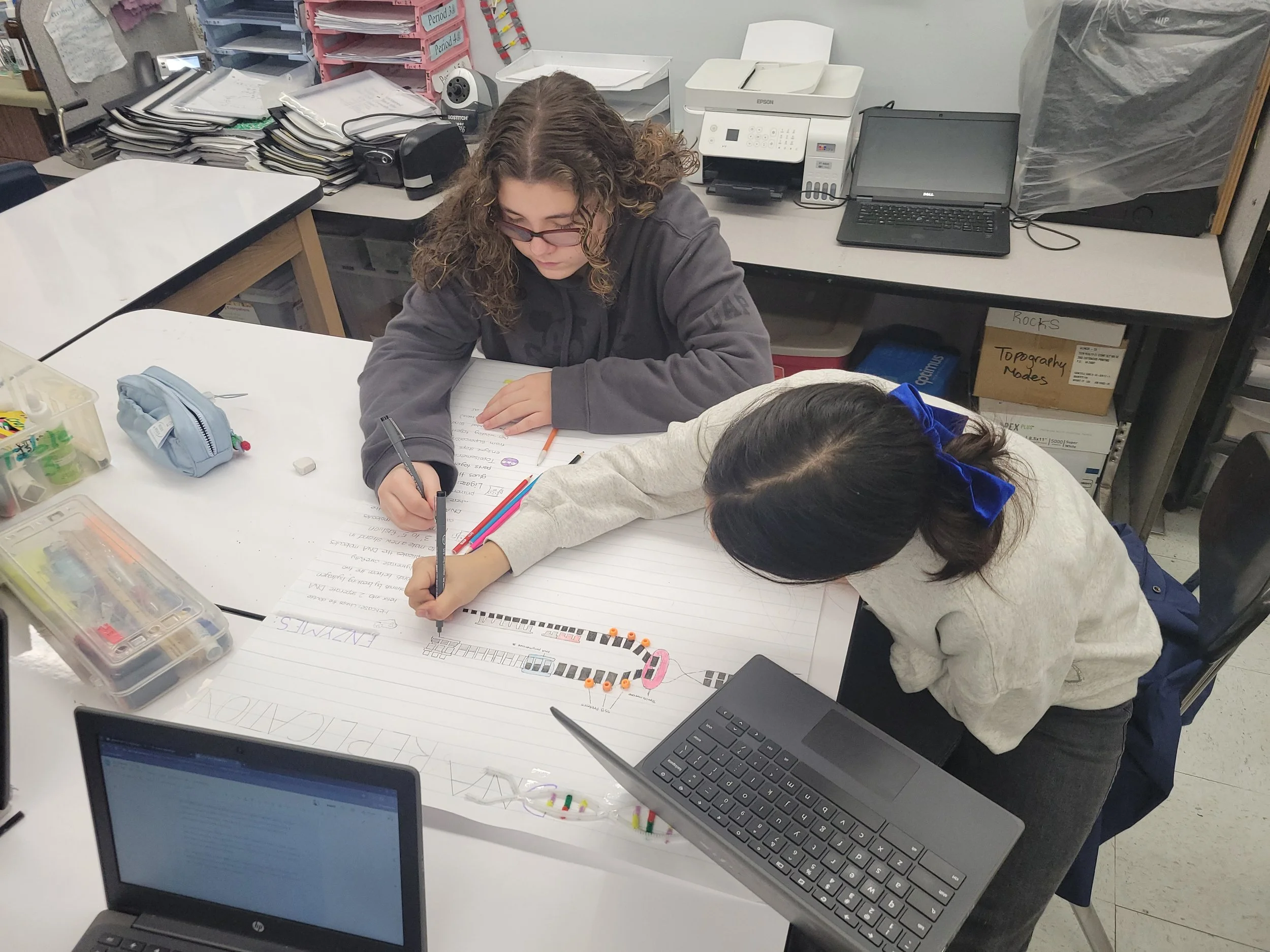
8th Grade HGM Science
8th Grade Science Curriculum Outcomes:
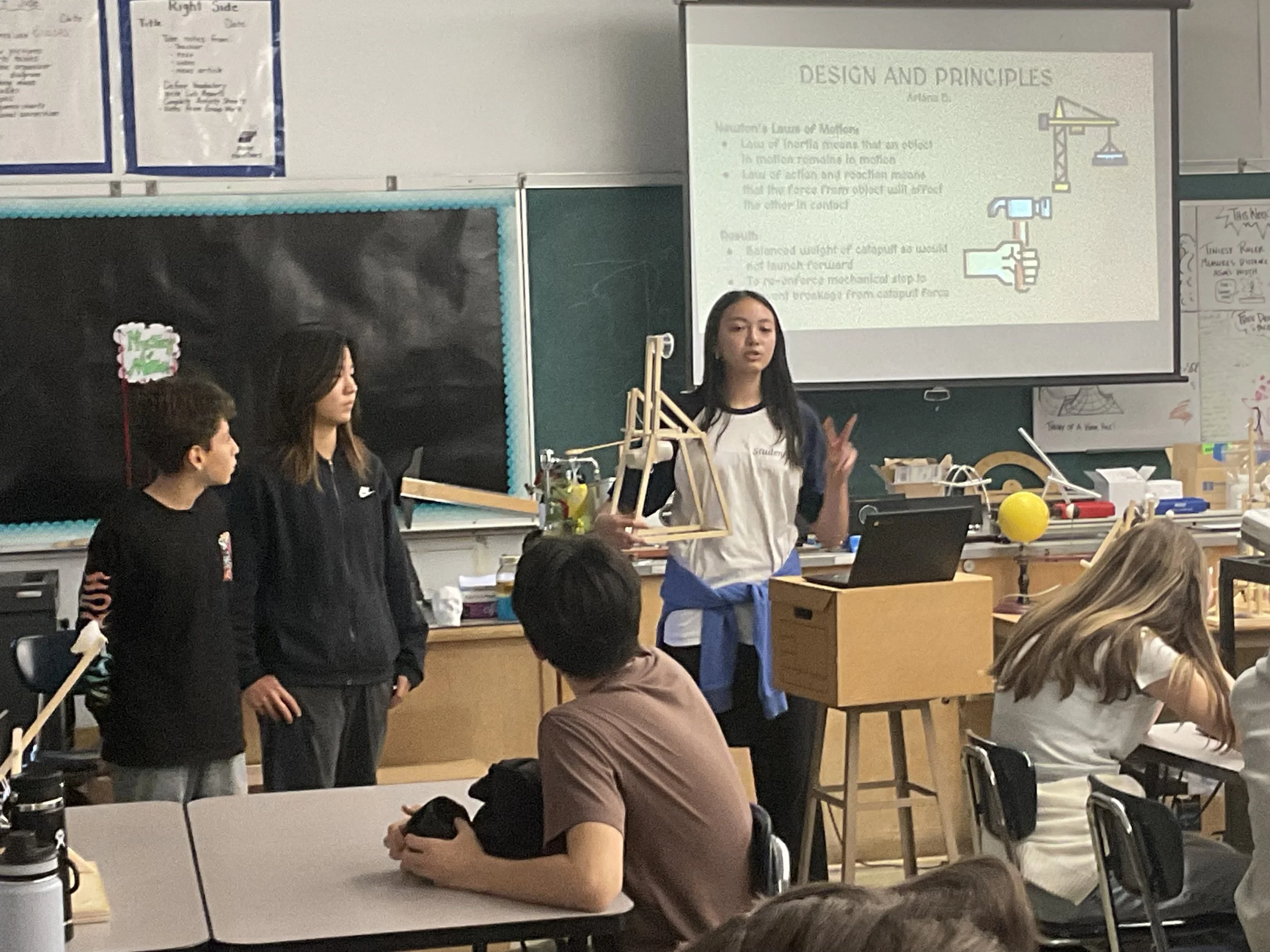
By the end of their eighth-grade year, HGM learners will see themselves as emerging physicists and chemists ready for advanced high school coursework as they develop the following skills:
Scientific Practice & Engineering Design:
Advanced experimental design with multi-variable analysis and error propagation
Scientific argumentation using CER framework with quantitative evidence
Peer review process and constructive scientific critique
Collaborative research teams with defined roles and project management
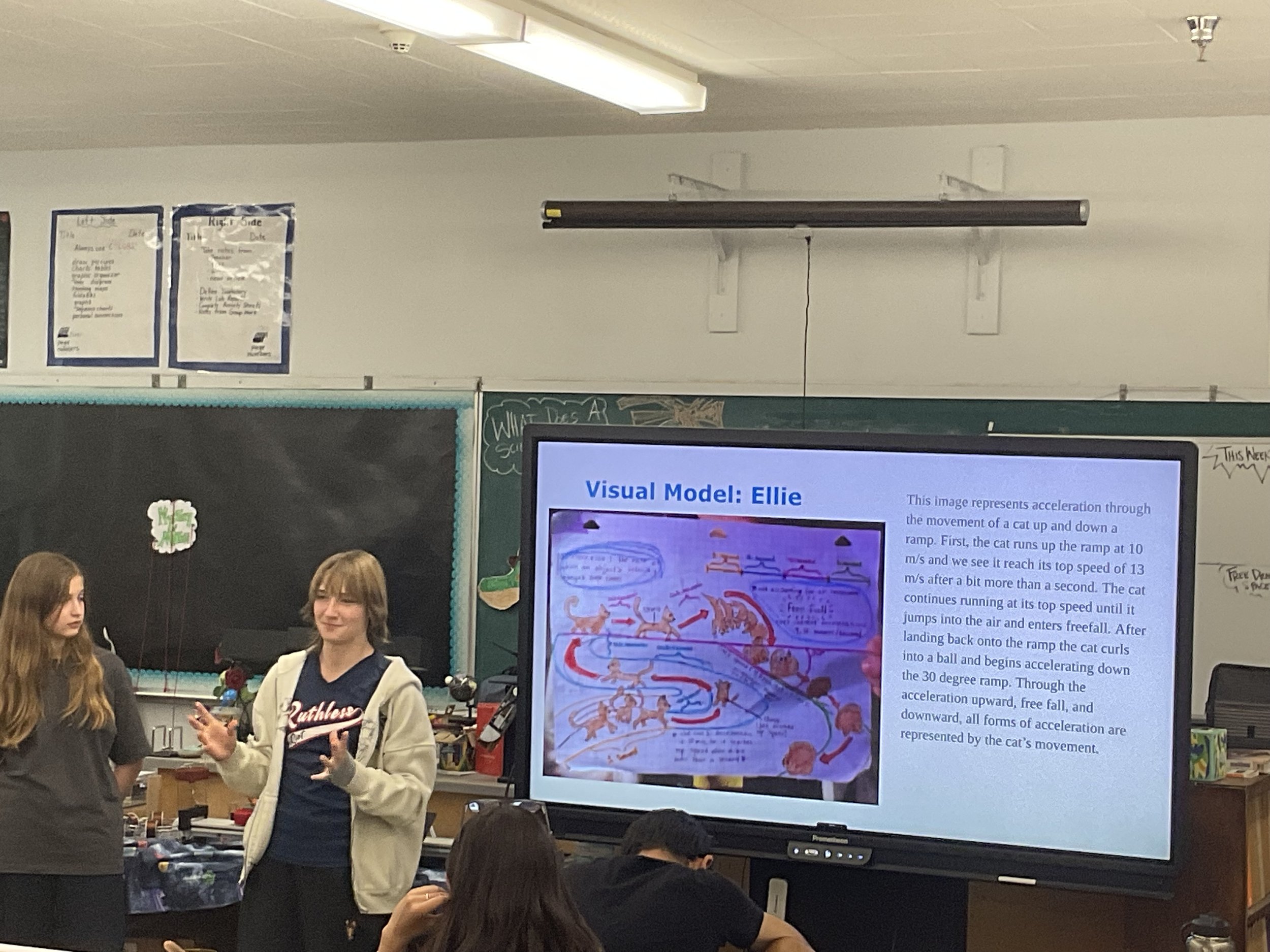
Public presentation of findings using multimedia and data visualization
Content: Big Ideas
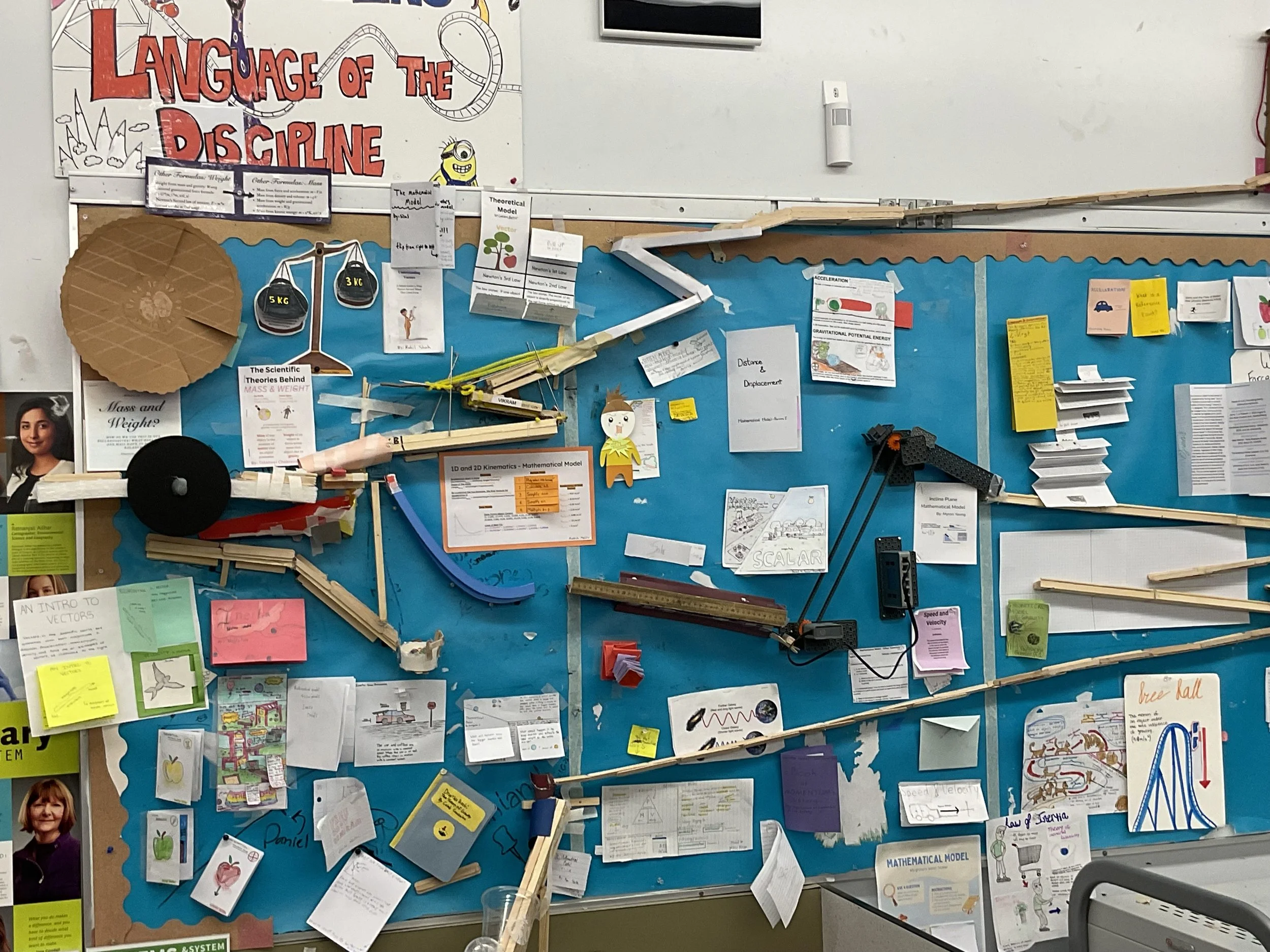
Objects in Motion: 1D/2D kinematics, Newton's Laws, momentum conservation
Energy transformations: kinetic, potential, mechanical systems
Universal gravitation and orbital mechanics
Atomic structure and quantum model basics
Periodic trends and chemical bonding
Chemical reactions, formula writing, and stoichiometry
Electromagnetic forces and fields
Circuits and Ohm's Law
Academic & Professional Skills:
Technical writing: formal lab reports and research papers
Depth & Complexity tools for advanced analysis
Scientific literature review and source evaluation
Statistical analysis and uncertainty calculations
Career exploration in STEM fields
College-level laboratory documentation
Laboratory & Technical Skills:
Motion sensors, photogates, and video analysis software
Force sensors and digital data collection
Multimeters and circuit construction
Chemical measurement: analytical balances, volumetric glassware
Spectroscopy and molecular modeling software
Safety protocols for physics and chemistry investigations
Engineering prototyping and testing procedures